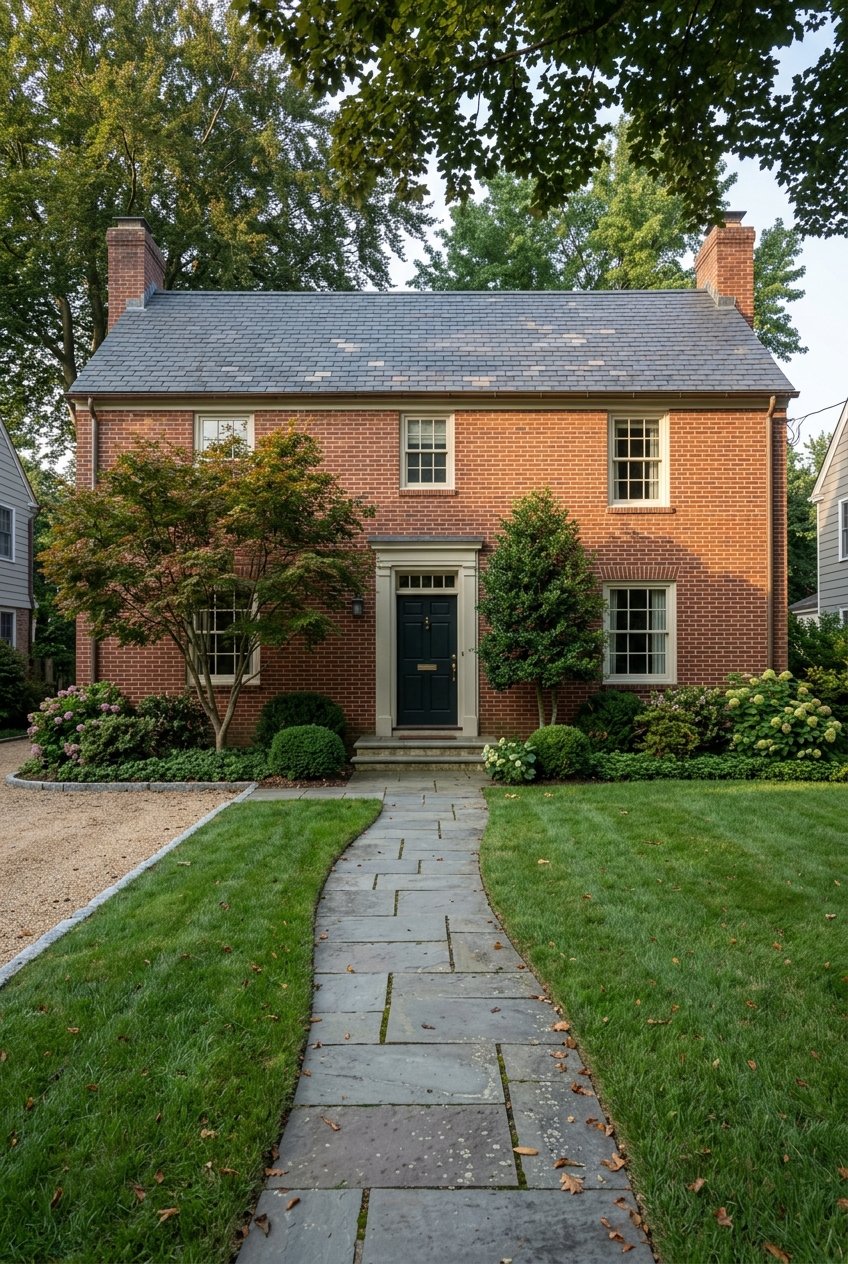
Looking at homes in Chestnut Hill? That neighborhood name tells you a lot, but not enough. In a market where the median sale price reached $925,000 in February 2026 and homes averaged 18 days on market, compared with $265,000 and 69 days on market citywide in Philadelphia, the real question is not just whether you want Chestnut Hill, but which part of Chestnut Hill fits you best. This guide will help you understand the neighborhood’s micro-markets, from Germantown Avenue to quieter residential pockets and park-adjacent streets, so you can compare homes with more confidence. Let’s dive in.
Why Chestnut Hill Works as Micro-Markets
Chestnut Hill is not one uniform housing product. According to the Chestnut Hill Conservancy’s Historic District overview, most of the area sits within the Chestnut Hill Historic District, which was listed on the National Register of Historic Places in 1985 and includes more than 2,600 buildings dating from 1744 to the present.
That historic framework matters because block-by-block conditions can shape what you are buying. A home near a more storefront-oriented stretch may offer a different daily feel than one near wooded edges or deeper residential setbacks, even if both share the same Chestnut Hill address.
Chestnut Hill is also well connected. SEPTA highlights access through Chestnut Hill West, Chestnut Hill East, and several bus routes, which supports the neighborhood’s appeal for buyers who want city access alongside a more distinct village setting.
Germantown Avenue Sets the Tone
If you want the clearest lesson in Chestnut Hill micro-markets, start with Germantown Avenue. The Chestnut Hill Community Association’s Germantown Avenue design guidelines break the corridor into northern, central, southern, and Top of the Hill sections, showing just how different the street can feel as you move from block to block.
For buyers, that means the same search criteria, like walkability, street activity, or privacy, can point to very different parts of the neighborhood. It is one of the strongest reasons to evaluate specific blocks instead of shopping by ZIP code alone.
Top of the Hill Feels More Active
The Top of the Hill section, from 8612 to 8708 Germantown Avenue, is described in the guidelines as a strong gateway to the commercial district. It is the most storefront-oriented and traffic-exposed part of the neighborhood.
If you like immediate access to shops, services, and a more active street presence, this area may appeal to you. If you prefer a quieter setting or a softer residential edge, you may want to compare it carefully with streets farther south or farther off the Avenue.
Central Avenue Feels More Residential
The central stretch of Germantown Avenue, roughly from 7900 to 8200, reads differently. The same guidelines note deep setbacks, wide side yards, and porches that create a more residential ambiance, with a more open feel than the northern section.
This is the kind of distinction buyers can miss in an online search. Two homes may both appear close to Germantown Avenue, yet the surrounding lot size, spacing, and street rhythm can create a very different living experience.
Southern Avenue Offers Transition
Southern Germantown Avenue works more like a transition zone between the denser commercial core and the greener edge near Cresheim Valley. The guidelines describe a mix of uses, with some front or side parking on the west side and more pedestrian-scale buildings with varying setbacks on the east side.
For you, this can translate into a middle ground. You may gain convenience to shops and neighborhood activity while also seeing more openness and a less urban street edge than the most commercial sections provide.
Park-Adjacent Streets Offer a Different Lifestyle
One of Chestnut Hill’s biggest strengths is its access to green space. The Chestnut Hill Community Association’s parks and green spaces guide says parks are within walking distance from any point in the neighborhood, including Wissahickon Valley Park, Pastorius Park, Morris Arboretum, Woodmere’s grounds, Pergola Park, Cliff Park, and Peace Park.
That density of open space creates another important micro-market category. Some buyers want to be near shops first. Others want trails, wooded views, or a quieter street environment. In Chestnut Hill, those choices often lead to different blocks.
Pastorius Park Anchors Daily Life
Pastorius Park is one of the neighborhood’s best-known lifestyle anchors. CHCA describes it as a 16-acre green space with a pond, stone warming hut, amphitheater, and long-running community concert use.
For buyers, streets near Pastorius Park can feel especially appealing if your ideal routine includes a nearby place to walk, sit outdoors, or enjoy community events. That is a different value proposition than living right on a major shopping corridor.
Wissahickon Access Changes the Feel
The Wissahickon adds another layer to the map. The Philadelphia Water Department’s Wissahickon watershed page describes it as a protected corridor of trails and open space, and CHCA notes multiple access points into Wissahickon Valley Park from Chestnut Hill.
Homes closer to those access points may appeal to buyers prioritizing trail access, wooded surroundings, and a quieter setting. In practical terms, that often means trading some storefront convenience for a stronger connection to open space.
Morris Arboretum Supports the Green Edge
The Morris Arboretum is another major green-edge draw. The University of Pennsylvania notes that the former estate spans more than 166 acres in Chestnut Hill and adjacent Flourtown and serves as a public garden and educational resource.
If you are drawn to the landscape side of Chestnut Hill, this area helps define that identity. It reinforces why buyers often compare not just home size and finishes, but also whether they want a village-center experience or a greener edge.
Quiet Residential Pockets Need Closer Comparison
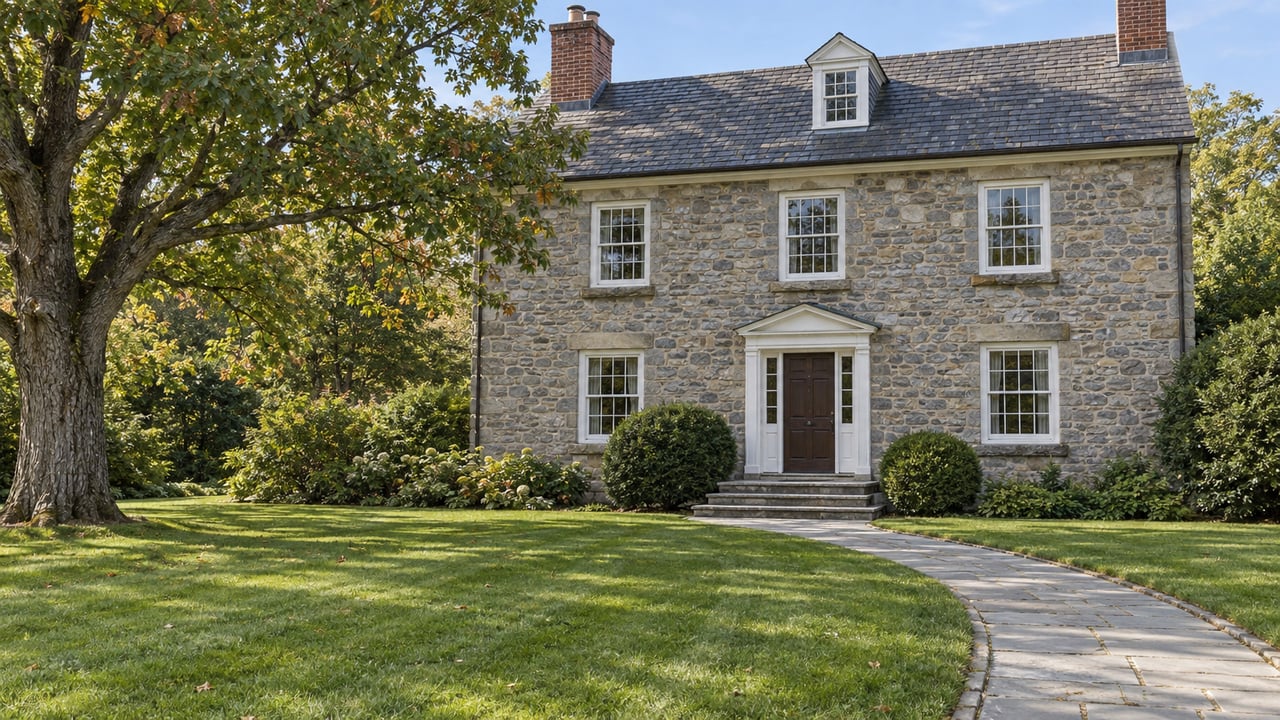
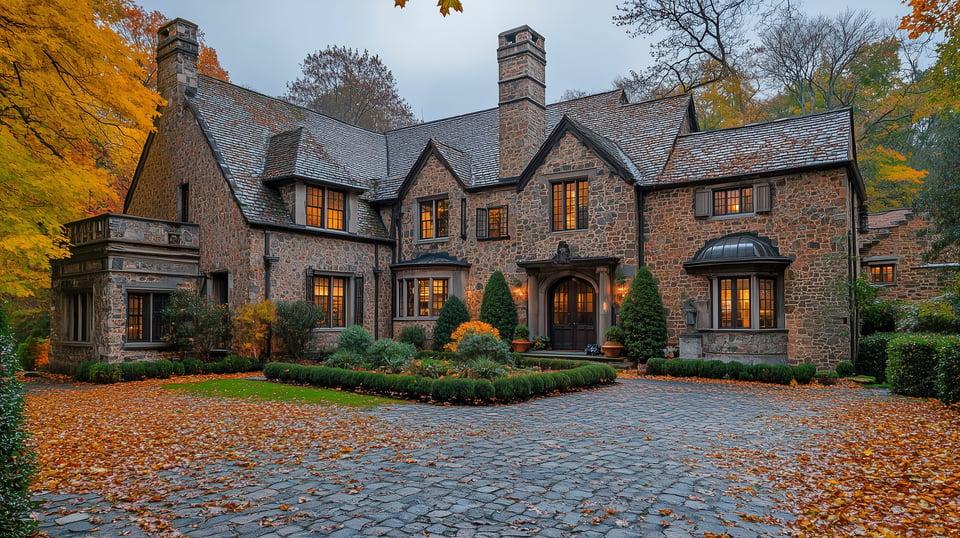
Away from Germantown Avenue, Chestnut Hill becomes more purely residential and more architecturally varied. The CHCA house-tour materials highlight a wide range of home styles, including cottages, stone colonials, Italianate Victorians, Second Empire twins, and Norman country houses.
That variety is part of the appeal, but it also makes comparison more important. A buyer looking at two homes with similar square footage may actually be choosing between very different lot forms, street settings, and architectural eras.
Prices Can Shift Fast by Street
Recent Redfin examples show how much values can vary within Chestnut Hill. Sales on streets such as Gravers Lane, Cherokee Street, Ardleigh Street, Seminole Street, and Abington Avenue ranged from about $695,000 to $1.45 million, according to Redfin’s neighborhood market page.
That spread tells you something important. In Chestnut Hill, a neighborhood-wide price expectation is only a starting point. The block, house type, and setting can move value significantly.
Architecture Affects Your Experience
In a neighborhood with homes dating back to the 1700s and a broad mix of styles, architecture is more than curb appeal. It often influences layout, lot placement, porch presence, yard depth, and the relationship between the home and the street.
That is why micro-market shopping matters here. You are not just choosing a price point. You are choosing a daily experience, and in Chestnut Hill, that experience can change quickly from one pocket to the next.
Historic District Rules Matter for Buyers
For many buyers, the preservation framework is part of what protects Chestnut Hill’s character. The Chestnut Hill Historic District Advisory Committee reviews projects for their effect on district character, and the committee notes that the district roughly aligns with ZIP code 19118.
This matters most if you are buying with renovation plans in mind. Exterior work, setbacks, parking placement, lot configuration, and street-facing additions may be more relevant than you expect when comparing one property to another.
Renovation Potential Is Not the Same Everywhere
A home with more visible frontage or a lot within the historic district may come with different planning considerations than a home outside the district, including properties in Chestnut Hill Village or Market Square, which the Conservancy notes are outside the historic district.
That does not make one option better than another. It simply means your decision should match your priorities, whether that is architectural stewardship, easier exterior changes, or a specific kind of streetscape.
How to Compare Chestnut Hill Micro-Markets
When you tour homes in Chestnut Hill, try to compare more than finishes and bedroom count. The strongest buying decisions usually come from matching the block to your lifestyle.
A few smart questions can help:
- Do you want immediate access to Germantown Avenue shops and services?
- Would you rather live near parks, trails, or wooded edges?
- How much street activity feels comfortable to you?
- Is historic character a top priority?
- Are you considering exterior updates or future renovation work?
- Do you prefer a tighter village feel or a more open residential setting?
In a neighborhood this nuanced, the right home is often about fit, not just features.
Why Local Guidance Matters Here
Chestnut Hill rewards buyers who look closely. Historic district boundaries, architectural variety, park access, Germantown Avenue transitions, and block-level price differences all shape the market in ways that are easy to miss if you treat the neighborhood as one category.
That is where local, block-level insight becomes valuable. If you want help comparing Chestnut Hill’s micro-markets and narrowing in on the streets, housing styles, and lifestyle tradeoffs that fit you best, connect with Michael Sivel. You will get experienced guidance grounded in the details that matter most when buying in one of Philadelphia’s most distinctive neighborhoods.
FAQs
What makes Chestnut Hill a micro-market neighborhood?
- Chestnut Hill includes a mix of commercial corridors, park-adjacent streets, historic district properties, and quieter residential pockets, so home values and living experience can vary significantly by block.
How expensive is the Chestnut Hill housing market compared with Philadelphia?
- According to Redfin, Chestnut Hill’s median sale price was $925,000 in February 2026, compared with $265,000 for Philadelphia overall.
What are the main sections of Germantown Avenue in Chestnut Hill?
- CHCA’s design guidelines divide Germantown Avenue into northern, central, southern, and Top of the Hill sections, each with a different street character and built form.
Why do park-adjacent blocks in Chestnut Hill appeal to buyers?
- Buyers often value these blocks for easier access to green space, trails, wooded views, and a quieter street setting near places like Pastorius Park and Wissahickon Valley Park.
What should buyers know about the Chestnut Hill Historic District?
- Much of Chestnut Hill is within a historic district, and exterior changes or additions may be reviewed for their effect on district character, which can influence renovation planning.
How should you compare homes in different parts of Chestnut Hill?
- Focus on block-level factors like proximity to Germantown Avenue, park access, lot size, architectural style, street activity, and any historic district considerations, not just price or square footage alone.