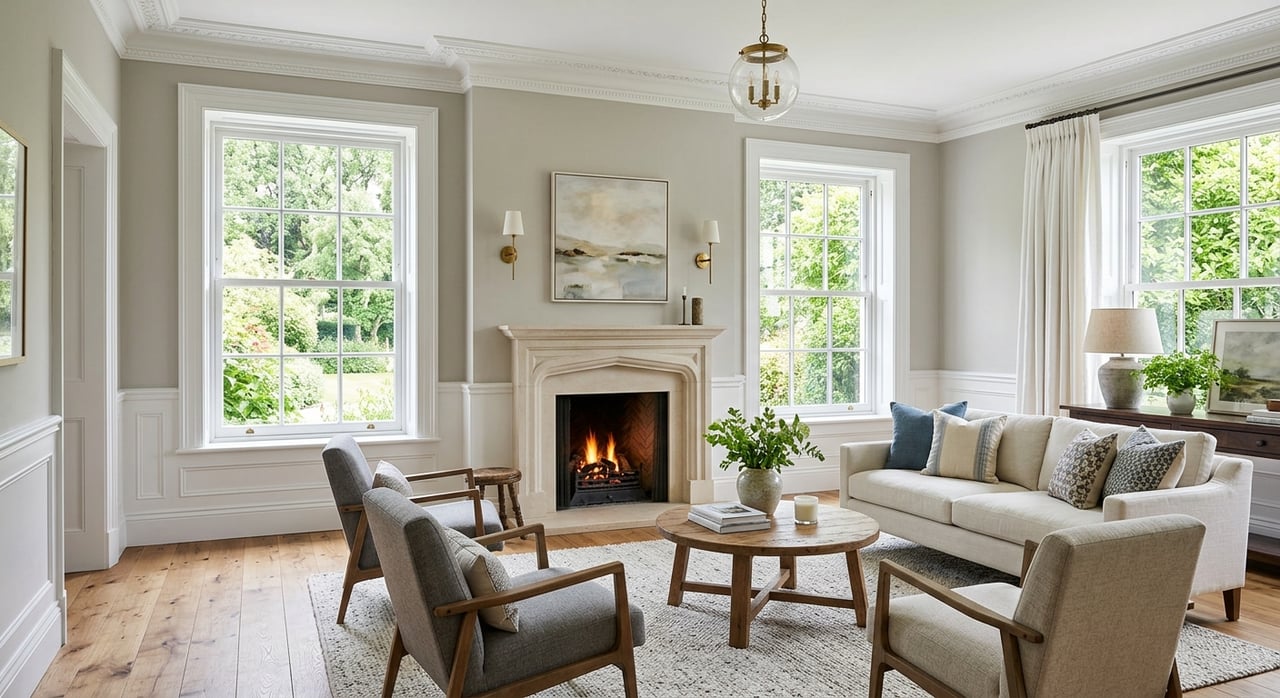
Wondering how much you should update a historic Chestnut Hill home before listing it? That is one of the most common questions sellers ask, and the answer is usually less about reinventing the house and more about presenting it well. In a neighborhood where history, architecture, and setting are part of the value, the smartest prep work helps today’s buyer appreciate what is already there. Let’s dive in.
Why Chestnut Hill history matters
In Chestnut Hill, buyers are often shopping for more than square footage. They are also responding to the setting, the architecture, and the neighborhood story that makes this part of Philadelphia so distinctive.
Visit Philadelphia describes Chestnut Hill as a leafy, walkable neighborhood known for Germantown Avenue, access to Wissahickon Valley Park, Morris Arboretum, and a business district with more than 125 independent retailers and 25-plus eateries. That lifestyle context can strengthen your listing because it helps buyers picture how the home fits into a broader historic environment.
Most of Chestnut Hill is also part of the Chestnut Hill Historic District, which was listed on the National Register of Historic Places in 1985. According to the district documentation, it includes more than 2,600 buildings dating from 1744 to the present, with significance tied to architecture, commerce, landscape architecture, and community development.
That means your home should not be marketed as simply old or charming. If its period, style, or craftsmanship can be documented, that story is often far more persuasive to buyers.
Start with designation status
Before you paint, replace, or remove anything, confirm how your property is designated. This is one of the most important early steps because Philadelphia distinguishes between the National Register of Historic Places and the local Philadelphia Register of Historic Places.
The Philadelphia Historical Commission advises owners to verify whether a property is only within the National Register district or also listed on the Philadelphia Register. That distinction matters because local review rules apply to properties on the Philadelphia Register.
If your property is on the Philadelphia Register, Historical Commission approval is required for changes that need a building permit or for exterior alterations. The City notes that review most often involves facades, roofs, masonry, and other exterior features, while interiors are generally only under review if the interior has been separately designated.
Use records before renovations
Historic homes often come with a paper trail that can help you make better decisions before listing. Instead of guessing what is original or what was changed over time, start by reviewing the available records.
Philadelphia’s historic property files may include chains of title, fire insurance surveys, approved permit applications, and photographs. The Chestnut Hill Conservancy also maintains a large archive with photographs, maps, drawings, deeds, and other materials that may already document your home.
This kind of research can shape your prep plan in two ways. First, it can help you avoid removing or altering features that contribute to the home’s identity. Second, it can help you build a more credible listing narrative based on documented facts instead of vague language.
Focus on repair over replacement
When preparing a historic home for today’s buyer, preservation-minded updates are usually the safest path. The goal is to make the home feel cared for, functional, and visually clear without stripping away the details that make it special.
The Secretary of the Interior’s Standards for Rehabilitation emphasize retaining historic character, preserving distinctive materials and craftsmanship, and repairing deteriorated features rather than replacing them. That guidance is especially useful in Chestnut Hill, where original windows, millwork, masonry, and hardware may be part of what buyers value most.
In practical terms, your pre-listing work may be better spent on:
- Careful paint touch-ups
- Repairing peeling finishes
- Restoring original hardware where possible
- Improving lighting
- Cleaning and organizing spaces
- Addressing gutters and downspouts
- Correcting basic drainage issues
These updates tend to support presentation without erasing the house’s period character.
Avoid shortcuts that hurt value
Not every update helps. In historic homes, some quick fixes can actually undercut buyer confidence or damage original materials.
National Park Service guidance warns against incompatible replacement materials and encourages owners to repair historic features first whenever possible. For example, historic window guidance from the National Park Service says replacement should not be automatic, and if replacement is unavoidable, the new work should match the original in design and appearance as closely as possible.
That is why sellers should be cautious about:
- Replacement windows that do not match the original profile
- Synthetic cladding that changes the appearance of the facade
- Heavy masonry cleaning that removes surface character or damages materials
- Overly trendy finishes that compete with original craftsmanship
For properties subject to local review, the City also specifically notes that masonry cleaning, painting, pointing, repair, replacement, alteration, or removal may fall under Historical Commission review.
Make maintenance visible
Today’s buyers appreciate character, but they also want evidence that the house has been responsibly maintained. For an older home, maintenance often matters more than a flashy last-minute renovation.
According to NPS Preservation Brief 47, routine maintenance is the most cost-effective way to extend a building’s life, and neglected building envelopes can accelerate deterioration. The same guidance recommends regular inspections, seasonal maintenance, baseline photos, written plans, and records of completed work.
If you are preparing to sell, gather whatever maintenance records you have. A simple file showing roof work, gutter service, masonry repairs, HVAC service, or window restoration can help reassure buyers that the home has been cared for over time.
Stage to highlight original features
Staging a historic property should help buyers notice its architecture, not distract from it. In Chestnut Hill, that often means a lighter touch.
A strong staging plan makes character-defining elements easier to read. Think millwork, fireplaces, built-ins, staircases, stonework, room proportions, and original door or window details.
To do that well, focus on clarity:
- Reduce visual clutter
- Pull furniture away from important architectural features
- Keep decor simple and scaled to the room
- Use lighting to brighten darker corners
- Let standout materials and craftsmanship remain the focal point
This approach tends to resonate with buyers because it lets the home feel both livable and authentic.
Plan inspections thoughtfully
Older homes reward careful preparation. Before your listing goes live, it is wise to understand the property’s condition well enough to avoid surprises during buyer due diligence.
NPS maintenance guidance points to common issues in older buildings such as roof problems, water intrusion, pests, lead-based paint, asbestos, and deterioration at joints and openings. In a pre-sale setting, that supports a broad review that may include a general home inspection along with specialists as needed for roofing, masonry, windows, moisture, chimney, HVAC, or structural concerns.
Lead-safe practices are also worth keeping in mind. Because many Chestnut Hill homes predate 1978, the likelihood of lead-based paint can be higher, and the EPA advises caution because renovation work can create dangerous lead dust. If lead is suspected during pre-listing repairs, using a trained lead-safe certified contractor may be the prudent route.
Build a factual home story
One of the most effective ways to prepare a historic Chestnut Hill home for today’s buyer is to tell its story accurately. The best listing narrative is documented, specific, and restrained.
Using City files and Conservancy archives, you may be able to confirm key facts such as:
- Approximate construction date
- Architectural style or form
- Known architect or builder attribution
- Major additions or alterations
- Surviving original features
- Historic photographs or permit history
That kind of property packet can make your listing feel more credible and more memorable. It also helps buyers understand that they are not just purchasing an older house, but a home with a place in Chestnut Hill’s architectural landscape.
Balance history and modern expectations
Preparing a historic home for market does not mean freezing it in time. It means helping buyers see how character and livability can coexist.
Philadelphia’s Historical Commission notes that historic designation can support higher, more stable property values and frames preservation as a way to manage change rather than prevent it. That is an important mindset for sellers. In many cases, the strongest result comes from preserving what gives the house identity while making sure it feels clean, functional, and ready for modern living.
In Chestnut Hill, that balance matters. Buyers are often drawn to the neighborhood because of its walkability, architecture, and established sense of place. When your preparation work respects those qualities, the home tends to present with more confidence.
If you are thinking about selling a historic home in Chestnut Hill, a strategic plan can make all the difference. Michael Sivel brings deep neighborhood knowledge, thoughtful presentation, and a concierge-level approach to helping sellers position distinctive properties for the right buyer.
FAQs
Do historic Chestnut Hill homes need approval for every project?
- No. The key questions are whether the property is on the Philadelphia Register of Historic Places and whether the work affects the exterior or requires a building permit.
Should you replace old windows before selling a Chestnut Hill historic home?
- Not automatically. National Park Service guidance says repair should be considered first, and replacements should closely match the original when replacement is necessary.
What is the first step before updating a historic home in Chestnut Hill?
- Confirm the property’s designation status and review available historic property records before planning improvements.
What makes a historic home listing credible to buyers in Chestnut Hill?
- A credible listing uses documented dates, permit history, archival materials, and visible original features instead of vague claims about charm.
What updates usually make the most sense before listing a historic Philadelphia home?
- The most effective updates are typically cleaning, decluttering, maintenance, selective repairs, and presentation improvements that preserve original character.