Selling in Center City is rarely one-size-fits-all. A rowhome and a condo may sit only a few blocks apart, but buyers do not evaluate them the same way, and the market does not reward them the same way either. If you are preparing to sell, understanding those differences can help you price more accurately, prepare more strategically, and avoid surprises once your home hits the market. Let’s dive in.
Why the sales strategy differs
Center City is a dense, transit-rich market with more than 210,710 residents and 309,000 jobs in Greater Center City, according to Center City District. The same report notes that more than 3.3 million regional residents live within a mile of a one-seat transit ride to Center City, and Core Center City residents average a 24.4-minute commute.
That urban setup shapes what buyers value. In a neighborhood where many people walk, bike, or use transit, features like parking, outdoor space, building fees, and ease of maintenance can carry outsized weight. Two properties with similar square footage can attract very different buyers based on how those lifestyle details show up.
Current resale conditions also support a tailored approach. Redfin reports a median sale price of about $550,000 in Center City as of May 2026, with homes taking about 54 days to sell on average. Some homes still receive multiple offers, but average sales land about 1% below list price, which means sellers need a property-specific plan rather than a generic listing pitch.
How buyers view a rowhome
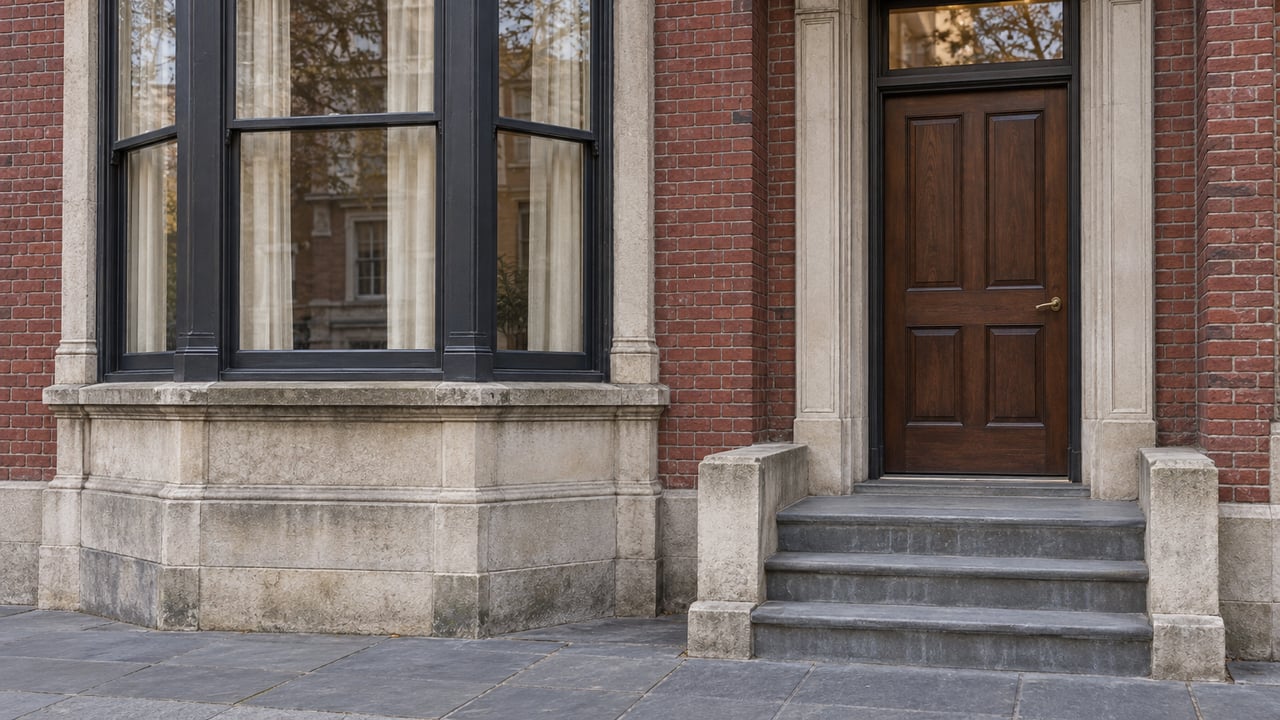
A Center City rowhome often sells on character, privacy, and direct control over the property. Philadelphia describes the rowhouse as a narrow attached home that can include features like rear yards, porches, rooftop additions, garages, or shared exterior areas.
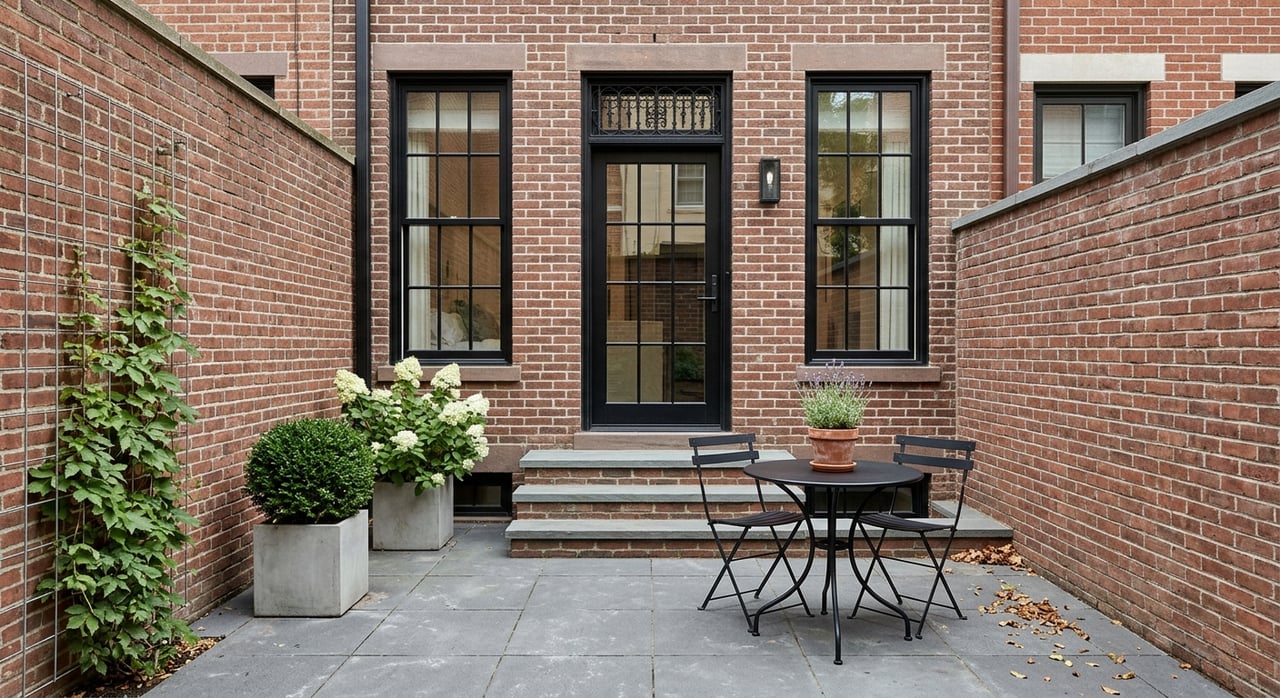
For many buyers, that means a rowhome is not just about square footage. It is about having a private entrance, fewer shared spaces, and outdoor areas that feel like an extension of daily life. A patio, roof deck, porch, or yard can become one of the strongest parts of the listing story.
Exterior condition also matters more than many sellers expect. Philadelphia’s Rowhouse Manual notes that most rowhouse maintenance issues begin on the exterior, which is why masonry, roofs, steps, porches, windows, and façades deserve close attention before the first showing.
How buyers view a condo
A condo buyer is purchasing both a home and a shared ownership structure. Under Pennsylvania law, a condominium includes a separately owned unit plus an interest in common elements, which is why condo sales involve more building-level review.
In practical terms, buyers tend to focus on monthly assessments, reserve strength, special assessments, insurance, and any major projects or legal issues affecting the building. Those questions are not optional or cosmetic. They are part of the core ownership picture.
That makes condos more document-sensitive than many rowhomes. Center City District’s February 2024 housing report also noted that the condo segment has faced more pressure as the for-sale market has slowed, which suggests that condo sellers often need sharper pricing and cleaner preparation to stand out.
Condo paperwork is a major difference
One of the biggest differences between selling a condo and selling a typical fee-simple rowhome is the resale package. Pennsylvania requires condo sellers to provide buyers with the declaration, bylaws, rules, and a certificate containing key financial and governance details before contract execution or conveyance.
That certificate includes items such as the monthly common-expense assessment, unpaid assessments, other fees, proposed capital expenditures, reserve balances, the latest balance sheet and income and expense statement, the current operating budget, judgments or pending suits, insurance coverage, and known violations or hazardous conditions.
The association must furnish the certificate within 10 days of a request. The buyer also has a right to void the contract until the certificate is delivered and for five days afterward, or until conveyance, whichever comes first. In real terms, delayed condo paperwork can slow negotiations and complicate closing.
Some rowhomes have similar requirements
Not every rowhome is free of association-style paperwork. If a rowhome is part of a planned community or HOA-style structure, Pennsylvania’s Uniform Planned Community Act can require resale documents similar to those used in condo transactions.
That means the real distinction is not always simply rowhome versus condo. It is often fee-simple ownership versus a property that comes with shared governance, assessments, and required disclosures.
If you own a Center City rowhome with any association component, you should prepare for that early. Buyers will want the same kind of clarity around fees, budgets, reserves, and rules that they would expect from a condo sale.
What to highlight in a rowhome listing
A rowhome listing should lead with physical character and private-use features. Buyers are often drawn to street presence, original architectural details, private entry, and any exterior space they can use directly.
Before listing, focus on the building envelope and curb appeal. Key items often include:
- Masonry and façade condition
- Roof condition
- Front steps and railings
- Windows and front door
- Porch, patio, yard, or roof deck
- Visible maintenance or safety issues
These elements do more than improve photos. They help buyers feel confident about ownership responsibilities and long-term upkeep.
What to highlight in a condo listing
A condo listing should combine presentation with transparency. Clean interiors and strong photography matter, but documentation and building details often carry just as much weight.
Before going live, sellers should be ready to confirm:
- Monthly condo assessment
- Any special assessment
- Reserve status
- Current operating budget
- Insurance coverage
- Pending litigation or judgments
- Planned capital projects
- Rules, bylaws, and resale certificate timing
For marketing, it also helps to clearly feature anything that gives the unit an edge within the building or neighborhood. Deeded parking, storage, balconies, and shared amenities can make a meaningful difference in buyer interest.
Parking and outdoor space matter differently
In Center City, parking is usually a premium feature rather than a baseline expectation. Center City District reports that Philadelphia ranks fifth among major U.S. cities for the share of residents who walk, bike, or take transit to work, which reflects how mobility works in this market.
That does not mean parking is unimportant. It means parking often acts as a value booster instead of a standard requirement. If your condo includes deeded parking, or your rowhome offers garage access or another parking solution, that feature deserves clear placement in the marketing.
Outdoor space works in a similar way. For rowhomes, private outdoor space often plays as a lifestyle centerpiece. For condos, a balcony or terrace can be especially valuable because it helps offset the tradeoffs that come with shared ownership.
Pricing should reflect the property type
A rowhome and a condo should not be priced by the same shorthand just because they share a zip code. Buyers compare them differently, and the market reacts differently to each one.
A rowhome buyer may place more weight on privacy, architectural character, and outdoor use. A condo buyer may focus more on convenience, fee structure, building condition, and financial clarity.
That is especially important in today’s Center City market. With average homes selling around 1% below list and condos facing added sensitivity in a slower for-sale environment, pricing needs to reflect how buyers will actually evaluate your home, not just how you hope they will.
Closing costs are more similar
Not every part of the sale changes by property type. Philadelphia’s Realty Transfer Tax applies to both condos and rowhomes sold in the city.
The current total rate is 4.578%, made up of 3.578% for the City and 1% for the Commonwealth. The city says this tax is usually split between buyer and seller, but it is not legally required to be split in that way.
So while prep, marketing, and disclosures may differ sharply, this closing-cost item is part of the same citywide baseline for both property types.
The right strategy starts early
If you are selling a Center City rowhome, your best advantage may be thoughtful presentation of privacy, outdoor living, and exterior condition. If you are selling a condo, your strongest move may be getting ahead of building documents, financial questions, and any issues that could slow buyer confidence.
Both property types can sell well in Center City, but they usually do not sell best with the same playbook. The more clearly your marketing matches what buyers are truly buying, the better positioned you are to move with confidence.
When you are ready to sell with a tailored strategy for your property, connect with Michael Sivel for expert guidance in Center City.
FAQs
Is a condo harder to sell than a rowhome in Center City?
- Not always, but Center City District reported that the condo segment has faced more pressure as the for-sale market slowed, so condos may require tighter pricing and stronger documentation.
Can a Center City rowhome require HOA-style resale documents?
- Yes. If the rowhome is part of a planned community or similar ownership structure, Pennsylvania law can require disclosures similar to a condo resale package.
What matters most when selling a Center City rowhome?
- Buyers often focus on private entry, outdoor space, street presence, and exterior condition, including the roof, masonry, steps, windows, and porch or deck areas.
What documents should a Center City condo seller prepare early?
- Condo sellers should request the resale certificate and be ready with the declaration, bylaws, rules, assessment details, reserve information, budget, insurance information, and any known litigation or capital project details.
Does Philadelphia Realty Transfer Tax apply to both condos and rowhomes?
- Yes. Philadelphia’s Realty Transfer Tax applies to both property types, with a current total rate of 4.578%.
Does parking matter when selling in Center City Philadelphia?
- Yes. In a walkable, transit-rich market like Center City, parking often works as a premium feature that can strengthen buyer interest and perceived value.