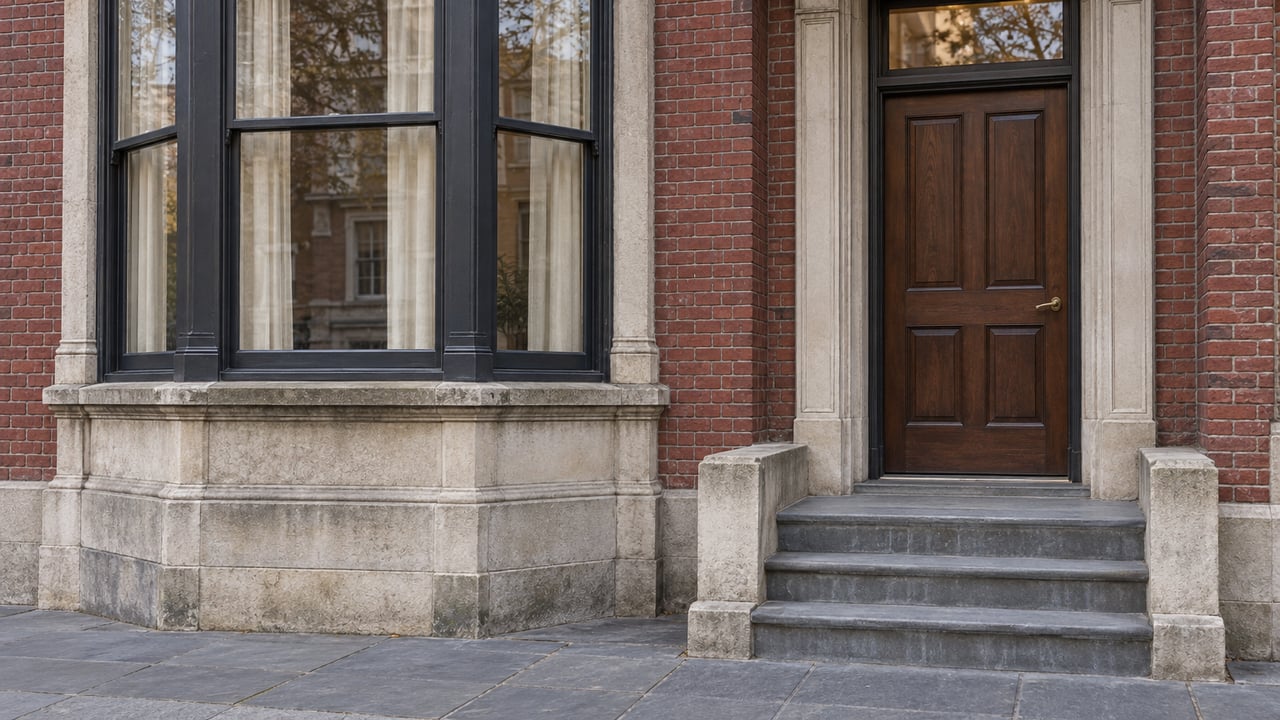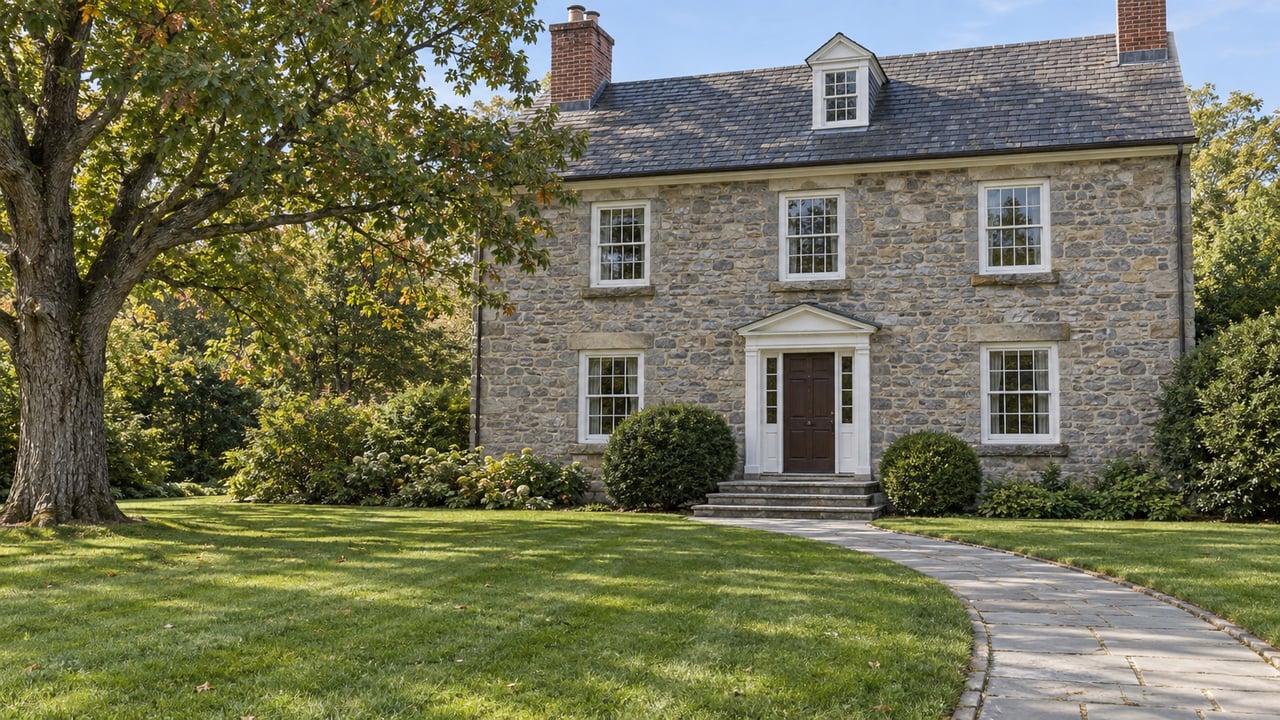
A seller under contract on a stone-front Colonial near Willow Grove Avenue signs a thirty-day settlement date and assumes the weeks between acceptance and closing are mostly paperwork and packing. Two weeks before the table date, their agent gets a call from the buyer's lender asking about a form nobody mentioned at the listing appointment: Springfield Township's Statement of Certification. It hasn't been filed yet, because nobody knew it had to be.
Wyndmoor sits inside Springfield Township, and the township requires that Statement of Certification for every real estate conveyance within its borders, covering Wyndmoor along with Erdenheim, Flourtown, and Oreland. This isn't a courtesy inspection or a formality that closing attorneys wave through. Until the township issues the certification, and until any violation its inspector flags gets corrected, the sale doesn't close.
What the Township Is Actually Checking
The Statement of Certification exists because Springfield Township requires sellers to disclose the zoning classification of the property and certify there's no uncorrected violation of a housing, building, safety, or fire ordinance before the property changes hands. The township's own building and zoning department lists the process plainly: the form costs $60 for a residential property and $120 for non-residential, and the township asks for a minimum of two weeks to complete the required inspections, which may include an in-home visit by a township representative.
Two weeks is the floor, not the ceiling. If the inspection turns up a violation, that violation has to be corrected before settlement. There's no path around it, because the certification itself is the document that says the property is clear to convey.
Where Wyndmoor's Housing Stock Makes This More Likely to Snag
Wyndmoor's housing runs from charming townhomes to stately older mansions. Springfield Township's own sewer rules page singles out one issue by name: sump pumps connected directly to the sanitary sewer system. It's illegal, and the township explains why in practical terms. A sump pump tied into the sanitary line dumps clean groundwater into a system built for wastewater, which can cause surcharging and backups during heavy rain.
That kind of connection is exactly the sort of fix a previous owner made decades ago without a permit, in a home that's changed hands once or twice since. It sits invisible until a township inspector walks the basement. Since 2016, the Bucks County Water and Sewer Authority has owned and maintained the physical sewer system that serves Springfield Township, an out-of-county authority running infrastructure inside a Montgomery County township, and it's the kind of thing that surfaces during the Statement of Certification inspection rather than during a buyer's private home inspection.
The Timeline Math That Catches Sellers Off Guard
Here's the part that actually changes how a listing should be planned. The two-week clock starts when the application is filed, not when an offer is accepted. A typical financed purchase in this market runs somewhere around thirty to forty-five days from signed agreement to settlement. If a seller waits until they're under contract to file for the Statement of Certification, the township's minimum two weeks is already eating into that window before any correction work even begins.
Springfield Township's own guidance on what to know before listing addresses this directly: sellers are advised to apply for the Statement of Certification at the time they list the property, not after they've accepted an offer. That's not caution for its own sake. It's the difference between a two-week inspection running quietly in the background while a home is on the market, and the same two-week inspection colliding with a buyer's mortgage commitment date.
A seller who applies at listing gets the inspection results, and time to fix anything flagged, while showings are still happening. A seller who waits finds out about a problem sump pump connection with two weeks left on the clock and a moving truck already booked.
A Second Form That Almost No One Mentions
The Statement of Certification isn't the only municipal step tied to a Wyndmoor sale, and the second one belongs to the buyer, not the seller. Springfield Township requires that a new owner register the recorded deed with the township within two business days after it's recorded with Montgomery County.
Most closing checklists treat county recording as the finish line. In Springfield Township, it isn't. The deed has to make a second stop, at the township itself, and the two-business-day window is short enough that it's easy to miss if nobody flags it during closing. Registration can be done in person, by certified mail with return receipt, or by overnight delivery with confirmation of receipt, but the clock doesn't pause for the mail to arrive. It runs from the date of recording.
Building the Two Forms Into a Listing Calendar
None of this is complicated once it's on a checklist early enough to matter. What trips people up is timing, not difficulty. A pre-listing walk-through that specifically checks for sump pump connections to the sanitary line, alongside filing the Statement of Certification application the same week photos go up, turns a potential two-week delay into a non-event. For a fall listing going on the market this season, that means the township paperwork starts before the first showing, not after the first accepted offer.
FAQ
Does every home in Wyndmoor need a Statement of Certification? Yes. Springfield Township requires it for every real estate conveyance within the township, which includes all of Wyndmoor along with Erdenheim, Flourtown, and Oreland.
Is this the same as a buyer's home inspection? No. A buyer's private inspection assesses the condition of the home for the buyer's own decision-making. The Statement of Certification is a municipal process that verifies zoning classification and confirms there's no uncorrected code violation on file, and it's required regardless of whether the buyer waives their own inspection.
Who typically files the application? The seller or the seller's agent initiates it, since Springfield Township's guidance is aimed at the party listing the property and recommends filing at the time of listing rather than waiting for a signed agreement.
A Wyndmoor closing date is only as solid as the paperwork nobody thinks to ask about in advance. Getting the Statement of Certification filed before the first open house, and flagging the deed registration deadline before the closing table, is the kind of groundwork The Sivel Group builds into a listing calendar from day one. Sell smarter. Buy smarter. Move smarter.
This article is general information, not legal, tax or financial advice. Consult a qualified professional about your situation.