Wondering if Bryn Mawr is the right place for your first move onto the Main Line? You are not alone. For many buyers, Bryn Mawr feels like a big step up in both lifestyle and decision-making, with older homes, distinct pockets of inventory, and a market that can move fast. If you are thinking about making that move, this guide will help you understand what to expect, what to prioritize, and how to buy with more confidence. Let’s dive in.
Why Bryn Mawr Feels Different
Bryn Mawr is one of Lower Merion Township’s named villages, and that detail matters more than it may seem at first. In this part of the Main Line, people often identify with the village name rather than the township itself, which speaks to the area’s strong local identity.
That village-by-village character shapes the buying experience. Bryn Mawr is not one uniform suburb. It behaves more like a set of micro-markets, where block, housing type, condition, and proximity to transit or commercial areas can all change how a home lives and how it is priced.
For a first Main Line move, that is important to understand early. You are not just choosing Bryn Mawr in general. You are choosing a very specific slice of it.
What Makes Bryn Mawr Appealing
Bryn Mawr has deep roots tied to the Pennsylvania Railroad, and that history still influences how people use the area today. SEPTA’s Paoli/Thorndale Regional Rail line connects Bryn Mawr to Center City, and Bryn Mawr Station is a fare-zone 3 stop.
That transit access gives Bryn Mawr practical appeal for buyers who want suburban space without losing a direct rail connection. It also helps explain why demand tends to stay durable in the area.
Lower Merion also notes that the township is home to nationally recognized schools, colleges, and hospitals. For buyers, the takeaway is not just prestige. It is stability, everyday convenience, and a location that continues to attract long-term interest.
Expect Older Homes With Character
If you are moving to the Main Line for the first time, one of the biggest adjustments may be the housing stock. Lower Merion’s median house-construction year is 1950, and only 12 percent of the housing stock was built in the last 30 years.
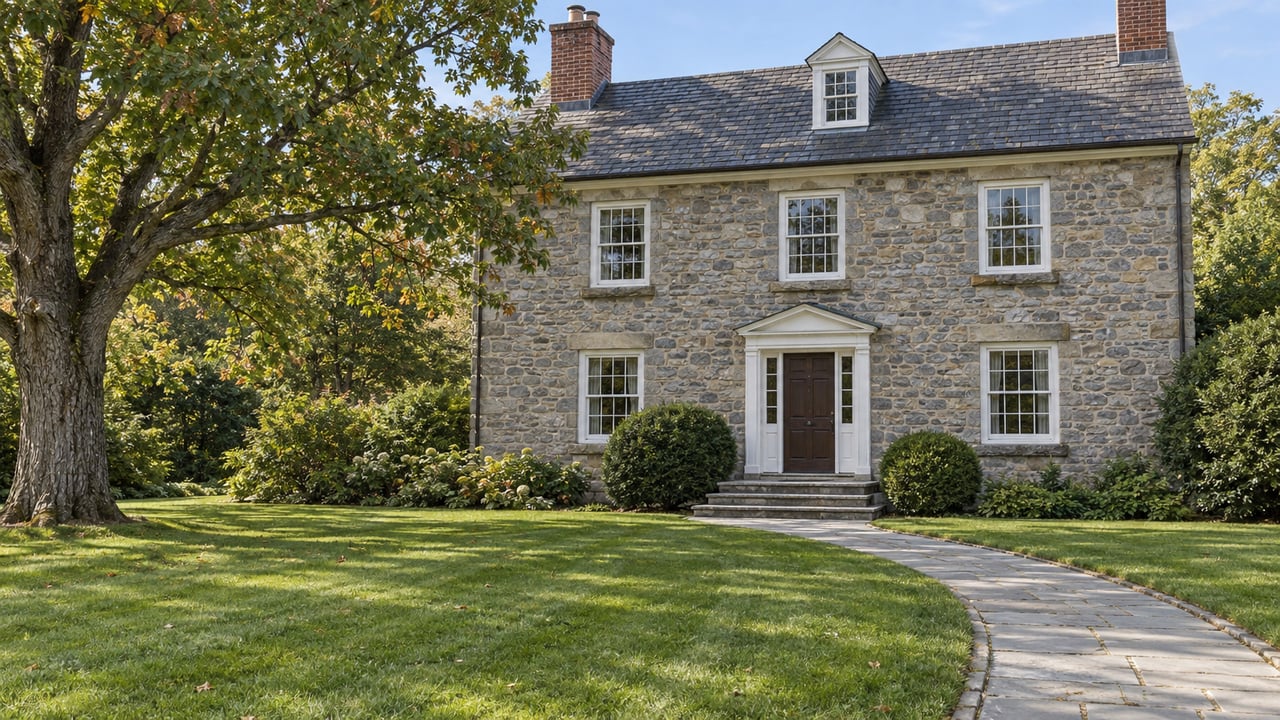
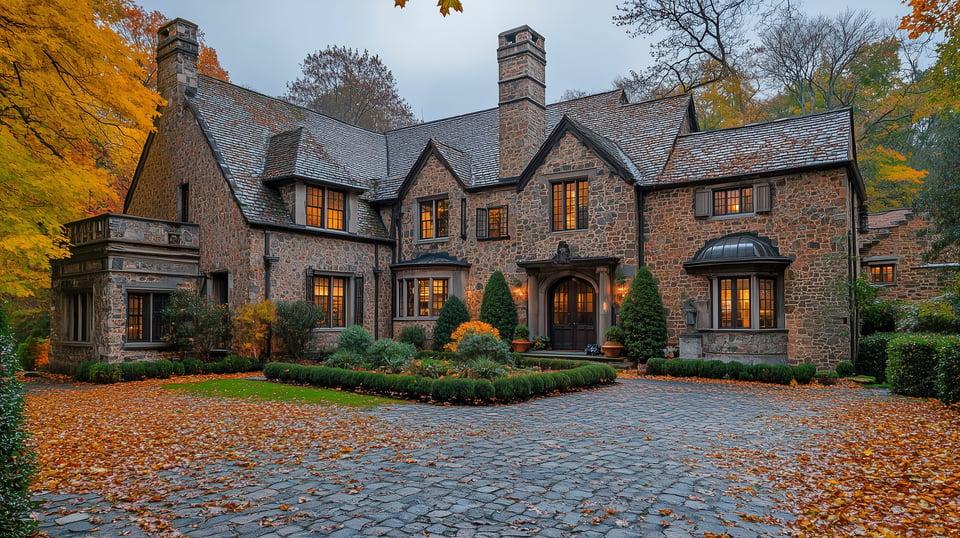
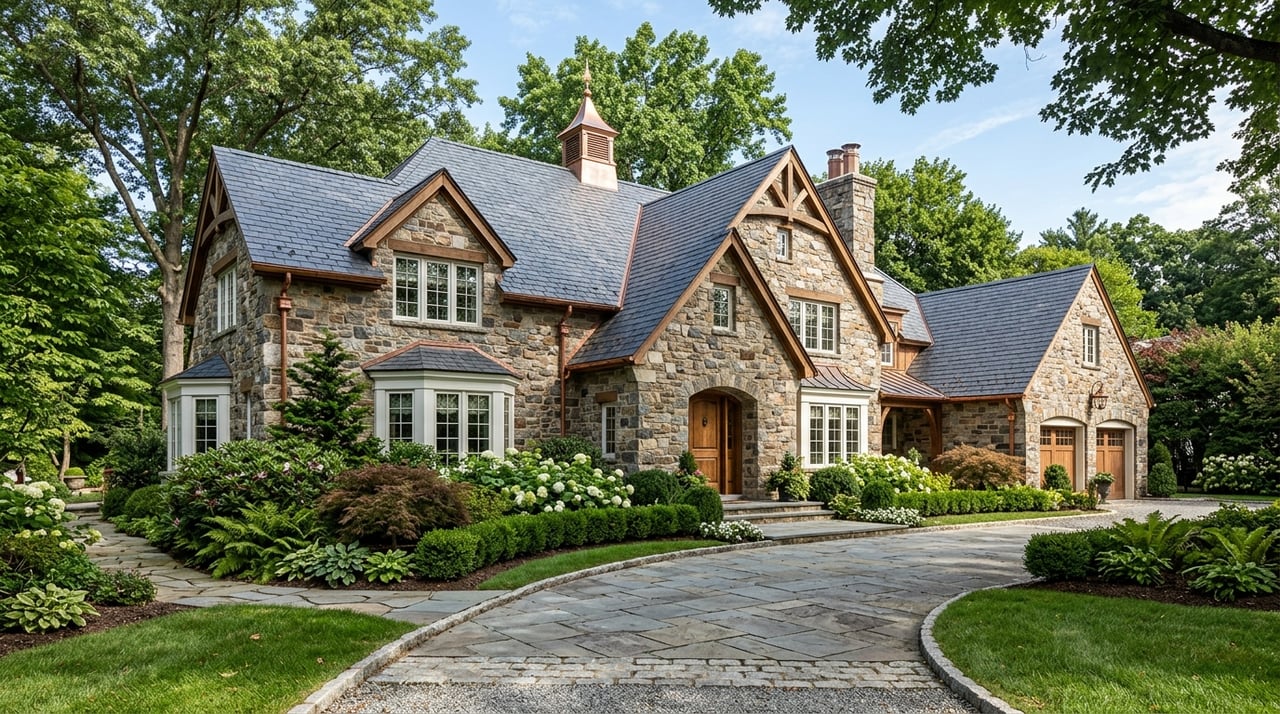
In Bryn Mawr, that often means mature homes with architectural character, larger proportions, and details you may not find in newer construction. The area developed through 19th-century railroad-era growth and into the early 20th century, so stone homes, estate properties, and older traditional architecture are part of the local landscape.
That does not mean every home is the same. Bryn Mawr includes a mix of housing types, with single-family homes dominant overall and some areas, including East Bryn Mawr, showing a higher concentration of multifamily housing. You may find a classic detached home, an updated condo, or an attached property depending on where and how you want to live.
What Buyers Often Want Inside
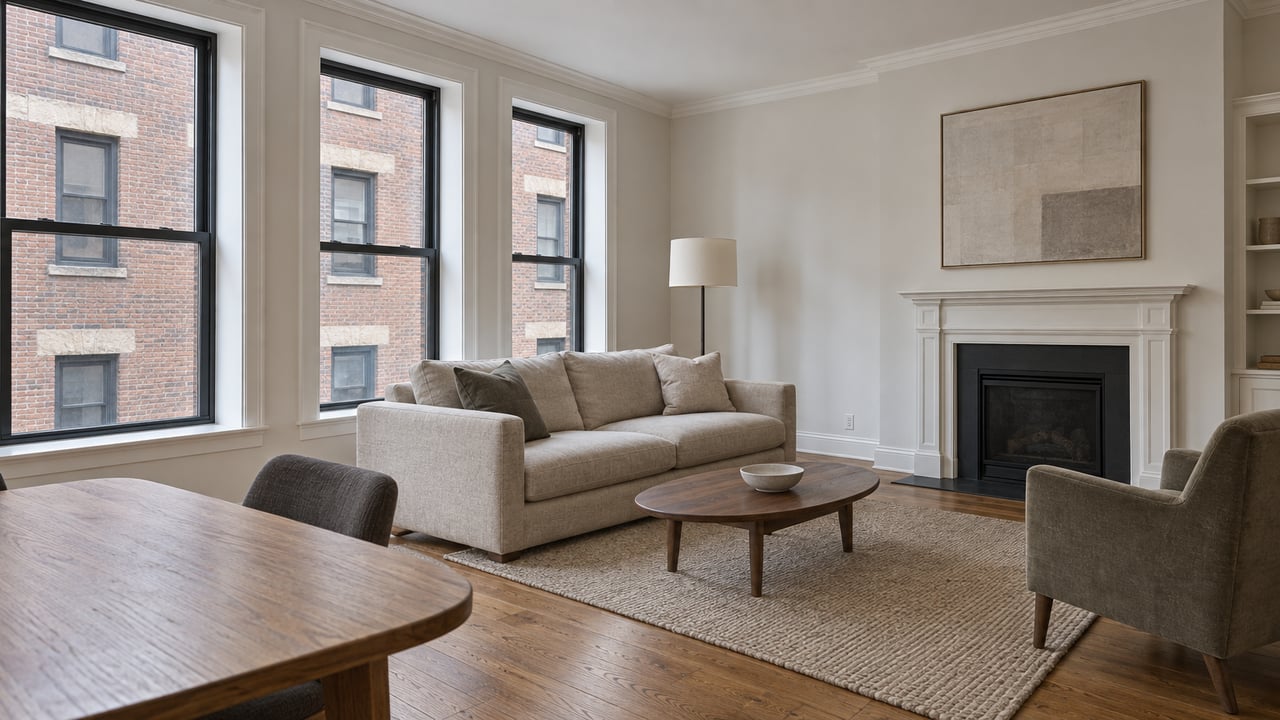
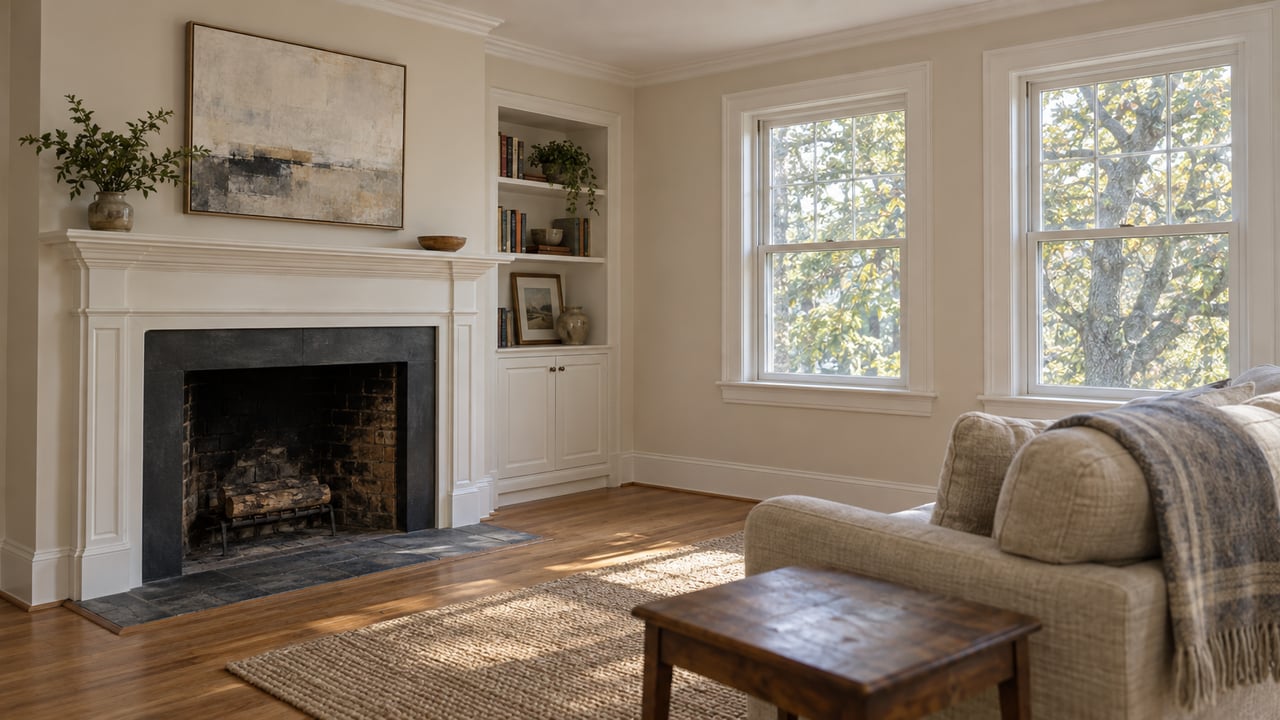
Older homes can be beautiful, but you still need them to work for modern life. Market trend data suggests buyers respond well to homes with practical, updated spaces like a family room, storage, home office, basement, central air, and updated bathrooms.
That is especially relevant in Bryn Mawr. Many buyers are looking for a balance between charm and comfort, where the home keeps its character but also supports how you actually live day to day.
As you search, it helps to separate what feels cosmetic from what affects livability. Paint color can change easily. Layout, storage, climate control, and flexible space tend to matter more over time.
The Market Is Small and Competitive
Bryn Mawr is not a market where you can assume there will always be another similar option next week. Recent market snapshots point to limited inventory and strong competition.
Realtor.com’s April 2026 data showed 21 homes for sale, a median list price of $762,000, median days on market of 26, and a 100 percent sales-to-list-price ratio. Redfin’s March 2026 sold-home data reported a median sale price of $759,000, median days on market of 41, and described Bryn Mawr as very competitive, with many homes receiving multiple offers.
The exact numbers vary by source, but the overall message is clear. Inventory is compact, desirable homes can move quickly, and buyers need to be prepared before the right opportunity appears.
How To Prepare For Your First Main Line Purchase
If Bryn Mawr is your first Main Line move, preparation can make the process feel much more manageable. In a competitive market, clarity and speed matter.
Here are a few smart ways to get ready:
- Get pre-approved before you begin serious touring.
- Know your true must-haves versus your nice-to-haves.
- Decide where you can be flexible, such as finishes, room count, or lot size.
- Be ready to tour quickly when a strong listing hits the market.
- Discuss your offer strategy early, before you feel pressure.
This kind of planning matters because Bryn Mawr is not only competitive. It is also nuanced. A home that checks the right boxes in the right pocket of the market may not stay available for long.
Think In Micro-Markets, Not Zip Codes
One of the most helpful mindset shifts for buyers is to stop thinking of Bryn Mawr as one broad category. Lower Merion’s planning materials emphasize strong neighborhood identity, and that plays out in the home search.
Two homes with similar square footage can feel very different depending on their street, setting, housing style, and access to rail, shops, or major roads. Condo and multifamily options may offer a different entry point than detached homes, and older homes can differ widely in updates, systems, and maintenance history.
That is why local, block-level guidance can be so valuable. The real decision is often less about Bryn Mawr as a name and more about which part of Bryn Mawr best fits your budget, lifestyle, and long-term plans.
Plan For Older-Home Due Diligence
Buying in a mature market usually means doing more than admiring the architecture. You also need to understand what you may be taking on.
With older homes, updated interiors do not always tell the full story. As you evaluate options, it helps to look closely at how the home has been maintained and where major improvements have already been made.
In Bryn Mawr, buyers often benefit from paying close attention to:
- Heating and cooling, including whether central air is present
- Basement usability and moisture considerations
- Window condition and exterior materials
- Storage and functional living space
- How older character features interact with newer updates
This does not mean older homes are a problem. It simply means they deserve careful review so you can move forward with a clear picture.
Check Preservation Status Early
If you are hoping to buy a Bryn Mawr home and renovate it after closing, there is one step you should not skip. Verify early whether the property is in a local historic district or on Lower Merion’s Historic Resource Inventory.
That status matters because the township’s Historical Architectural Review Board and Historical Commission review certain visible exterior changes before work begins. That can include additions, demolition, and some changes to windows, siding, porches, and other exterior materials visible from a public way.
Not every home is subject to this review. But if renovation is part of your plan, checking designation status early can save time and help you set realistic expectations before you commit.
Coordinate Your Move Carefully
A first Main Line move often involves more moving pieces than buyers expect. If you are coming from a city residence, another suburban home, or a lease, timing can get tricky in a low-inventory market.
Because homes can move quickly and supply is limited, you may need to think through overlap time, temporary storage, or staged move dates. This is especially true if your current home sale, lease end, or work schedule does not line up neatly with your purchase timeline.
Rental backup options may also be limited. Realtor.com’s April 2026 snapshot showed just 16 rental properties in Bryn Mawr, with a median rent of $2,475. If you think you may need a short-term bridge, it is worth planning early.
A First Main Line Move Takes Strategy
Bryn Mawr can be a smart first Main Line move if you are looking for a history-rich, transit-connected market with lasting appeal. But it rewards buyers who come in prepared, stay focused, and understand that the search is about more than finding a pretty house.
You are buying into a mature housing stock, a set of distinct micro-markets, and a competitive environment where timing matters. When you approach it with a clear plan and strong local guidance, the process becomes far more navigable.
If you are considering Bryn Mawr, working with a team that understands Main Line housing at the block level can help you weigh character, condition, timing, and long-term fit with more confidence.
SELL SMARTER. BUY SMARTER. MOVE SMARTER. Connect with Michael Sivel for expert guidance on your first Main Line move.
FAQs
Are Bryn Mawr homes mostly older homes?
- Yes. Lower Merion Township reports a median house-construction year of 1950, and Bryn Mawr includes substantial late-19th- and early-20th-century development.
Is Bryn Mawr commute-friendly for Philadelphia buyers?
- Yes. Bryn Mawr is served by SEPTA’s Paoli/Thorndale Regional Rail line, and Bryn Mawr Station is a fare-zone 3 stop with service to Center City.
Are all Bryn Mawr homes subject to historic review?
- No. Review depends on whether a property is in a local historic district or listed on Lower Merion’s Historic Resource Inventory.
What public school district serves Bryn Mawr in Lower Merion?
- Lower Merion School District serves Lower Merion Township and Narberth Borough, which is the broader public-school context for Bryn Mawr buyers.
Is Bryn Mawr a competitive market for first-time Main Line buyers?
- Yes. Recent market snapshots show limited inventory, fast market times, and strong sale-to-list performance, which points to a competitive environment for well-priced homes.