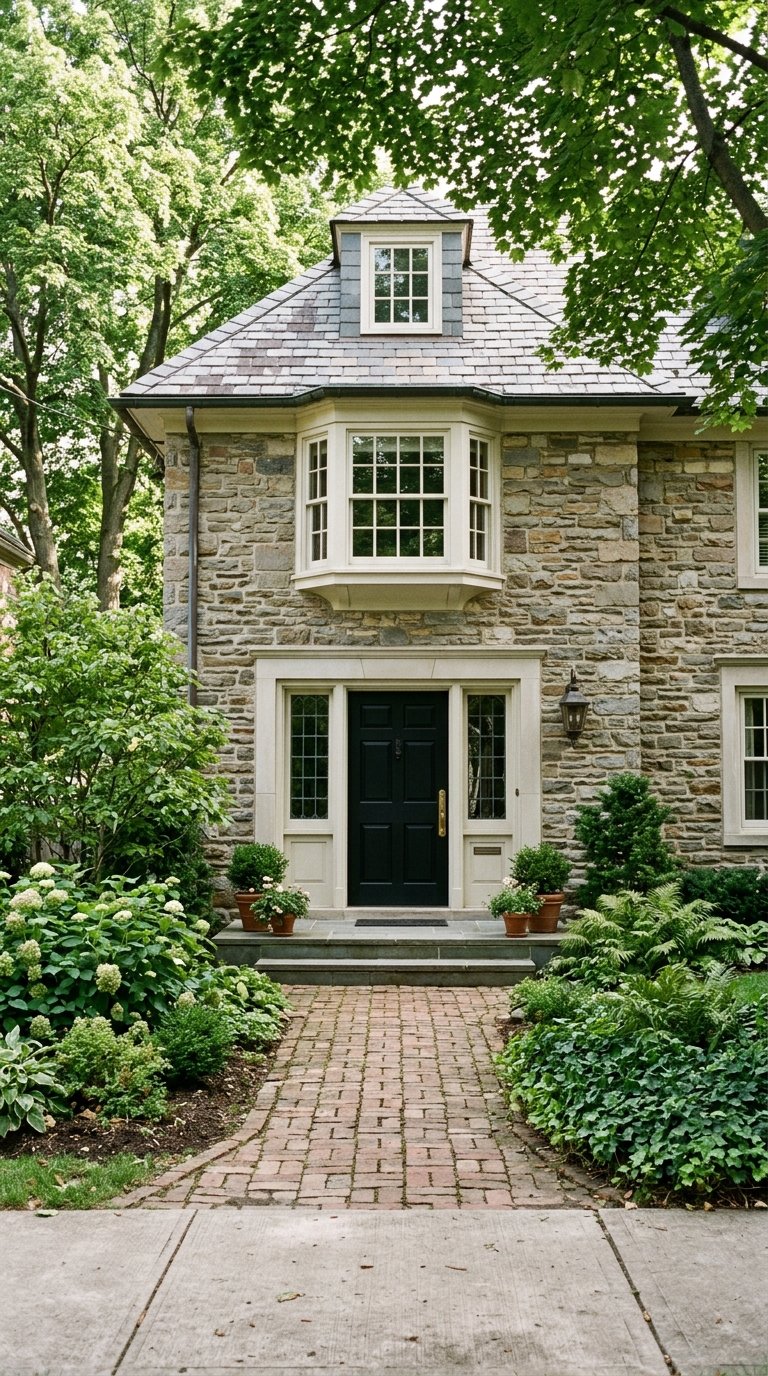
Wondering what day-to-day life in Bryn Mawr actually feels like? If you are drawn to places that balance walkability, culture, and a strong sense of place, Bryn Mawr stands out for how naturally those pieces come together. From a compact village center to a college-driven arts scene and inviting green spaces, this Main Line community offers a lifestyle that feels both active and grounded. Let’s take a closer look.
A Village Center With Real Walkability
Bryn Mawr sits in Lower Merion Township on Philadelphia’s Main Line, and the township describes the Bryn Mawr Village District as a pedestrian-oriented commercial area with a mix of residential, non-residential, and commercial uses. That planning framework matters because it helps explain why the area feels connected instead of spread out. You are not looking at a place built around a single use or one daily routine.
The township also identifies the village core as the historic, pedestrian-oriented heart of the broader Bryn Mawr business district. In practical terms, that means everyday life can include errands, dining, transit, and time outdoors without feeling disconnected. The result is a setting that feels established and easy to navigate.
That walkable identity is still being reinforced. Lower Merion’s 2026 through 2031 capital program includes streetscape and pedestrian improvements, along with upgrades to Bryn Mawr Community Center Park. These public investments suggest that the village experience remains a clear local priority.
Transit Keeps Daily Life Flexible
Bryn Mawr Station on SEPTA’s Paoli/Thorndale Line adds an important layer to everyday convenience. The station is located at 54 N. Bryn Mawr Ave., and current SEPTA service also includes bus connections. If you value options in how you move through the region, that access helps shape the rhythm of the neighborhood.
For some residents, the train supports a regular commute. For others, it simply makes it easier to head into Philadelphia for work, dining, or events without relying on a car for every trip. Either way, transit is part of what gives Bryn Mawr its village feel with regional reach.
Bryn Mawr College Shapes The Atmosphere
Founded in 1885, Bryn Mawr College is the area’s central institutional anchor. Its presence is not limited to the campus itself. The college helps define the tone of the community, giving the area an academic and cultural pulse that shows up in daily life.
The college describes the arts as a vital part of campus culture, and its public calendar notes that performances, concerts, and readings are open to the public. That matters if you want more than just a residential setting. It means local cultural experiences are woven into the fabric of the neighborhood.
The college’s Performing Arts Series has been presenting artists and performances to Philadelphia-area audiences since 1984. It has also partnered with organizations including the Barnes Foundation, Pennsylvania Ballet, Bryn Mawr Film Institute, and FringeArts. That kind of programming gives Bryn Mawr a level of cultural energy that feels unusual for a compact village setting.
Public Arts Feel Local, Not Generic
One of the strongest examples of Bryn Mawr’s cultural identity beyond campus is the Bryn Mawr Film Institute. It is a nonprofit, member-supported film and education center located in a historic Lancaster Avenue theater. Its programming focuses on art-house, classic, independent, and educational film experiences.
That gives you an arts venue with a distinct local character. Instead of feeling interchangeable, it reflects the kind of institution that helps define a place over time. For many people, access to that kind of programming is part of what makes a neighborhood feel lived-in and memorable.
Dining And Retail Add Everyday Energy
Bryn Mawr College’s visitor guide describes downtown as a place where students walk to restaurants or catch the train into Philadelphia. That detail offers a useful snapshot of the area’s daily rhythm. The village is active in a way that blends campus life with local routines.
The same guide highlights local spots including Otto by Polpo, Tiffin, Sushiland, Pho Street, Xolo Tacos, Gullifty’s, and Hope’s Cookies. Together, those names point to a dining scene that supports quick meals, casual meetups, and regular neighborhood habits. It feels practical, but it also feels social.
The township’s business district overview also notes that the area mixes national chains with the village core’s broader range of goods and services. That mix contributes to Bryn Mawr’s texture. You get convenience, but you also get an environment that still feels specific to its location.
The Farmers Market Supports The Village Rhythm
SEPTA highlights the Bryn Mawr Farmers Market at Bryn Mawr Station and describes it as one of the biggest farmers markets in Montgomery County. That detail says a lot about how food, transit, and public life overlap here. The market is not a side attraction. It is part of the pattern of daily and weekly activity.
For buyers who value places with a visible community rhythm, this kind of amenity can carry real weight. A farmers market near transit reinforces the idea that Bryn Mawr functions as a village, not just a collection of streets and buildings. It gives the area another layer of regular, public-facing life.
Green Space Balances The Commercial Core
Even with its active business district, Bryn Mawr does not read as purely commercial. Green space and historic sites help soften the village center and create places to slow down. That balance is part of what keeps the area feeling established and comfortable.
The Bryn Mawr Community Center includes tennis courts, a tot playground, a gazebo, green space, and a perennial garden. It serves as a civic green within the village, offering room for recreation and everyday outdoor time close to the commercial core. With township upgrades planned there, it remains an important part of the local experience.
Nearby, Ashbridge Memorial Park offers 28.8 acres with a walking path, tennis courts, pickleball courts, a playground, and passive open space. If you want easy access to outdoor amenities, that nearby park adds more options to the area’s lifestyle mix. It supports the idea that daily life here can include both movement and downtime.
Historic Character Still Shows Up
Harriton House and Park adds another dimension to life in Bryn Mawr. The site preserves 13 acres of parkland and a house built in 1704, and visitors are invited to walk, picnic, and enjoy the grounds. Lower Merion also notes that the Harriton Association offers tours and public programs there.
Places like this help connect the area’s present-day convenience with a longer local story. For many buyers, that sense of continuity matters. It makes the village feel rooted rather than newly assembled.
Campus Grounds Add To The Setting
Bryn Mawr College also contributes to the area’s visual identity through its landscape. The college’s campus-greening information highlights more than 3,600 campus trees and annual tree plantings. It is also working to restore arboretum status.
That helps explain why the area feels lush and seasonally distinct. The grounds are not just scenery in the background. They are part of the day-to-day environment that shapes how the village looks and feels as you move through it.
The college’s dining network adds to that lived-in quality as well, with dining halls, cafés, and the Wyndham Restaurant serving campus life. Its community garden also supplies produce for campus dining and other campus venues. These details reflect a campus that actively participates in the local atmosphere.
What Everyday Life In Bryn Mawr Feels Like
Taken together, the township, transit, college, arts, and park resources point to a place where several parts of life overlap in a compact footprint. You can picture a day that includes walking through the village, stopping for a meal, catching a film or performance, and spending time in a park without needing to plan around long distances. That overlap is a big part of Bryn Mawr’s appeal.
Just as important, Bryn Mawr does not feel one-dimensional. It has a strong college presence, but it is not only about campus life. It has a business district, but green space and historic places keep it from feeling overly commercial.
For buyers exploring the Main Line, Bryn Mawr offers a distinct combination of village charm, public culture, and practical accessibility. It feels polished but approachable, active but not rushed. If you are looking for a community where everyday routines can feel a little more connected and a little more interesting, Bryn Mawr makes a compelling case.
If you are considering a move on the Main Line and want guidance rooted in local knowledge, Michael Sivel can help you navigate Bryn Mawr and surrounding neighborhoods with clarity and confidence.
FAQs
What is Bryn Mawr known for in everyday life?
- Bryn Mawr is known for its pedestrian-oriented village center, strong college presence, public arts offerings, local dining, transit access, and nearby green spaces.
How does Bryn Mawr College affect the Bryn Mawr neighborhood?
- Bryn Mawr College helps shape the area’s atmosphere through public performances, readings, concerts, campus dining, landscaped grounds, and a broader academic and cultural presence.
Is Bryn Mawr a walkable Main Line community?
- Lower Merion Township describes the Bryn Mawr Village District as pedestrian-oriented, with a mix of residential, commercial, and other uses centered around a historic village core.
What transit options are available in Bryn Mawr?
- Bryn Mawr Station is served by SEPTA’s Paoli/Thorndale Line, and current SEPTA service also includes bus connections.
What are some things to do near downtown Bryn Mawr?
- You can explore local restaurants, visit the Bryn Mawr Film Institute, attend public college events, shop in the village district, or spend time at nearby parks and community green spaces.
Are there parks and outdoor spaces in Bryn Mawr?
- Yes. Bryn Mawr Community Center, Ashbridge Memorial Park, Harriton House and Park, and the tree-filled Bryn Mawr College campus all contribute to the area’s outdoor appeal.