Looking at condos in Center City can feel simple at first, until you realize how different one building can be from the next. Two homes with similar square footage can offer completely different day-to-day experiences based on the building type, staffing, amenities, fees, and rules. If you want to buy with more confidence, this guide will help you understand what to compare before you make a move. Let’s dive in.
Why building type matters
Center City is not one single condo market. It is a collection of distinct neighborhoods around City Hall, including areas like Old City, Society Hill, Washington Square West, Midtown Village, Market East, Chinatown, Callowhill, Logan Square, Rittenhouse Square, and Fitler Square.
That variety matters because Center City is highly walkable, but your living experience will still depend heavily on the building itself. Greater Center City also continues to evolve, with dozens of major projects completed, under construction, or in planning, so buyers should look beyond finishes and focus on how a building fits their lifestyle.
Historic conversions and loft-style condos
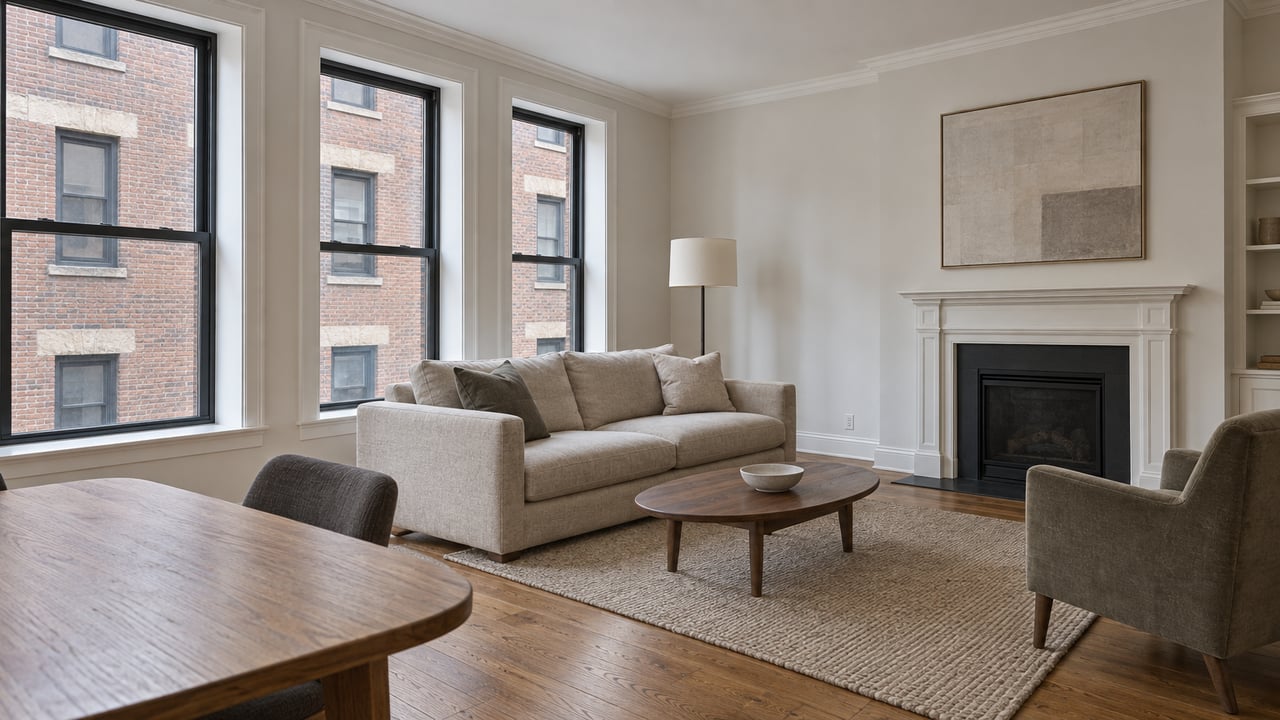
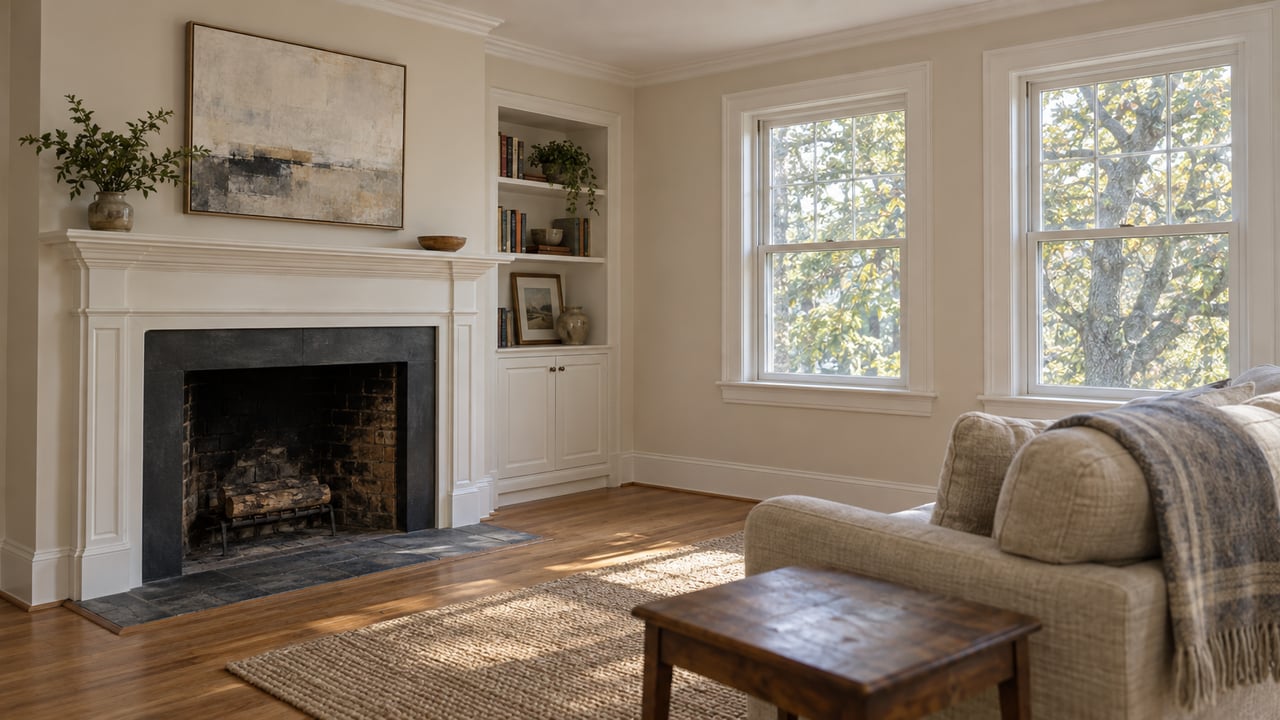
Historic conversions are one of Center City’s most recognizable condo options. These buildings often feature details like exposed brick, oversized windows, barrel-vaulted ceilings, decorative molding, solid wood doors, and layouts that feel full of character.
If you are drawn to architecture and a strong sense of place, this style can be especially appealing. In many cases, the rooms feel larger and more distinctive than what you may find in a newer tower.
The tradeoff is usually in the amenity package. Older buildings may have upgraded common areas or a fitness center, but infrastructure can limit how much a condo association can add over time, so you may not get the same full-service feel as a newer high-rise.
Who this style fits best
Historic conversions often work well for buyers who value design, charm, and originality. If you want your home to feel memorable and specific to Philadelphia, this category deserves a close look.
Boutique low-rise condos
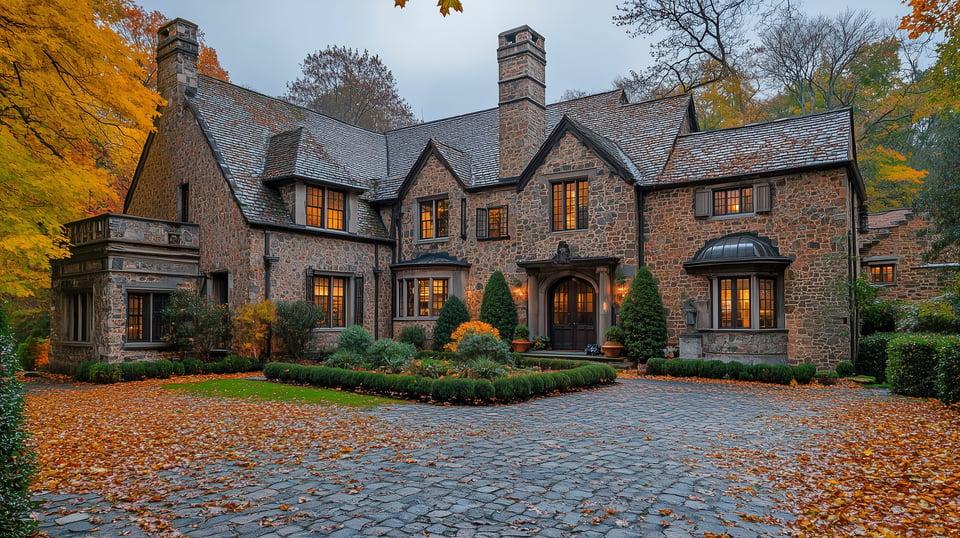
Boutique low-rise condos are another important part of the Center City market. Many are carved from brownstones, townhomes, or narrow infill buildings, giving them a more intimate and residential feel.
These smaller buildings often appeal to buyers who want fewer neighbors and a quieter ownership experience. Some may include practical shared features like an elevator, storage, or a common yard, but they usually do not offer the long list of amenities you might find in a large tower.
That difference often shows up in both atmosphere and monthly cost. Since service levels help drive condo fees, a four-unit or small-scale building will generally support less staffing and fewer extras than a full-service building.
What to ask in a boutique building
When you tour a smaller condo building, ask about:
- Building maintenance responsibilities
- Shared storage availability
- Elevator upkeep, if applicable
- Outdoor space rules
- Pet restrictions
- Rental restrictions
- How repairs are approved and paid for
In a smaller association, these details can have a direct impact on your ownership experience.
Full-service towers
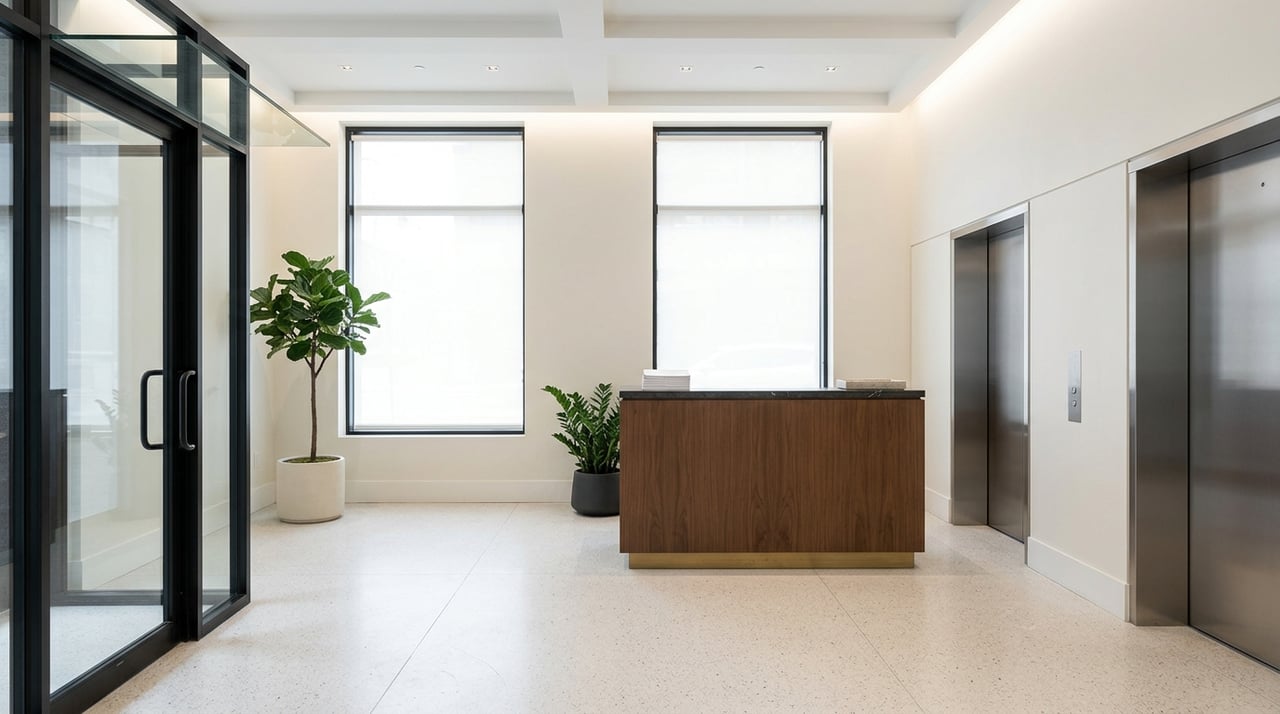
Full-service towers offer a very different lifestyle. In Center City, these buildings may include staffed front desks, concierge or doorman service, fitness centers, pools, parking, resident programming, and package handling.
For many buyers, the appeal is convenience. If you want lower-touch ownership, building staff, and a more lock-and-leave setup, a full-service tower can be a strong fit.
The tradeoff is cost. Monthly condo fees in Center City are often higher in buildings with deeper service levels, so it is important to look carefully at what is included and whether those services match how you actually live.
Common tower amenities to compare
Not every amenity has equal value to every buyer. As you compare buildings, focus on the features you will realistically use, such as:
- 24-hour front desk or concierge coverage
- Fitness center access
- Pool access, including whether it is seasonal
- On-site parking or EV charging
- Package handling
- Laundry options
- Community rooms or outdoor shared spaces
- Bulk cable or internet included in fees
A longer amenity list is not always better if the costs outweigh the benefit for your lifestyle.
Condo fees in Center City
Monthly condo fees are one of the most important parts of your buying decision. Under Pennsylvania’s Uniform Condominium Act, condo associations are generally responsible for maintenance, repair, and replacement of common elements, while unit owners are generally responsible for the unit itself unless the declaration says otherwise.
That means your monthly fee is not just a charge for amenities. It also helps support building operations, maintenance, and shared expenses allocated by the association.
Before you make an offer, ask for a clear breakdown of what the fee covers. In one building, the fee may include front desk staffing, parking-related services, internet, or common area maintenance. In another, it may cover much less.
Why reserves matter
A building’s financial health matters just as much as its lobby or gym. Associations in Pennsylvania must adopt budgets at least annually, and buyers should review the budget, reserve allocation, and fee history before moving forward.
Healthy reserves can help a building prepare for larger projects like roof replacement, elevator work, or major common-area updates. If reserves are thin, future special assessments or fee increases may become more likely.
Insurance and maintenance responsibilities
Insurance in a condo is a shared responsibility between the association and the unit owner. Pennsylvania law requires the association to maintain property insurance on the common elements and units, along with liability insurance, to the extent reasonably available.
As a buyer, you should still ask what personal coverage you may need for your own belongings, liability, and potential deductible gaps. This is one of the easiest areas to overlook when you are focused on layout, light, and location.
Maintenance responsibilities also deserve a close read. The association generally handles common elements, but the declaration and governing documents will explain where building responsibility ends and unit-owner responsibility begins.
Closing costs and transfer-related charges
Condo purchases can come with building-specific charges that surprise buyers at closing. Pennsylvania law allows reasonable charges for resale certificates and statements of unpaid assessments.
The law also permits a capital improvement fee on resale or transfer, but those funds must be kept in a separate capital account and used only for capital improvements or replacement of common elements. That is why it is smart to review association charges early, rather than treating them as a last-minute line item.
Parking can change the math
In Center City, parking is not a small detail. The Philadelphia Parking Authority increased core Center City meter rates from $3 to $4 per hour on July 1, 2025, and long-term parking rates also increased.
That makes in-building parking, deeded parking, rented parking, or even a waitlist situation a meaningful part of your total cost of ownership. If you own a car, ask whether parking is included, separately deeded, rented month to month, or unavailable.
How to build a smart condo shortlist
The best condo shortlist starts with how you want to live, not just a price-per-square-foot comparison. In Center City, the same budget can buy a loft with character, a boutique walk-up with privacy, or a high-rise with staff and amenities.
As you narrow your options, ask practical questions that help you compare buildings apples to apples.
Questions to ask before you buy
- What does the monthly condo fee include?
- How have fees changed over time?
- How strong are the building reserves?
- Is any major capital work planned?
- Is parking deeded, rented, waitlisted, or unavailable?
- Are there pet restrictions?
- Are there rental restrictions?
- How are packages handled?
- What are the move-in and move-out rules?
- What approvals are needed for renovations inside the unit?
These questions help you understand not just the home, but the building culture and the real cost of ownership.
Matching the building to your lifestyle
For most buyers, the right fit becomes clearer once you define your priorities. Historic conversions often suit buyers who want architectural character. Boutique low-rise buildings tend to appeal to buyers looking for a more private, house-like setting. Full-service towers are often the best match for buyers who prioritize convenience, staffing, and amenities.
Your long-term plan matters too. Whether you are buying a primary residence, a pied-à-terre, or a downsizing home, the right Center City condo is the one that supports your daily routine as much as your budget.
If you want help comparing Center City buildings with a sharper eye for fees, amenities, and long-term value, Michael Sivel and The Sivel Group can help you buy smarter with local, building-by-building insight.
FAQs
What types of condo buildings are common in Center City Philadelphia?
- Center City buyers will typically see three main categories: historic conversions or loft-style condos, boutique low-rise buildings, and full-service towers.
What should condo buyers review about monthly fees in Center City Philadelphia?
- You should review what the fee includes, how fees have changed over time, the building budget, reserve funding, and whether any major projects could affect future costs.
What does a condo association usually maintain in Pennsylvania?
- Under Pennsylvania’s Uniform Condominium Act, the association is generally responsible for maintenance, repair, and replacement of common elements, while the unit owner is generally responsible for the unit unless the declaration says otherwise.
Why is parking so important when buying a Center City Philadelphia condo?
- Parking can materially affect your total ownership cost because Center City parking can be expensive, and each building may handle parking differently through deeded spaces, rentals, waitlists, or no on-site option.
What amenities should buyers compare in Center City condo buildings?
- Focus on the amenities you will actually use, such as front desk staffing, fitness center access, pool access, package handling, laundry, parking, EV charging, and any internet or cable included in the monthly fee.
What documents should buyers ask for before buying a Center City condo?
- You should ask for the condo budget, reserve information, fee history, resale certificate details, and governing documents that explain maintenance duties, rules, and any transfer-related charges.