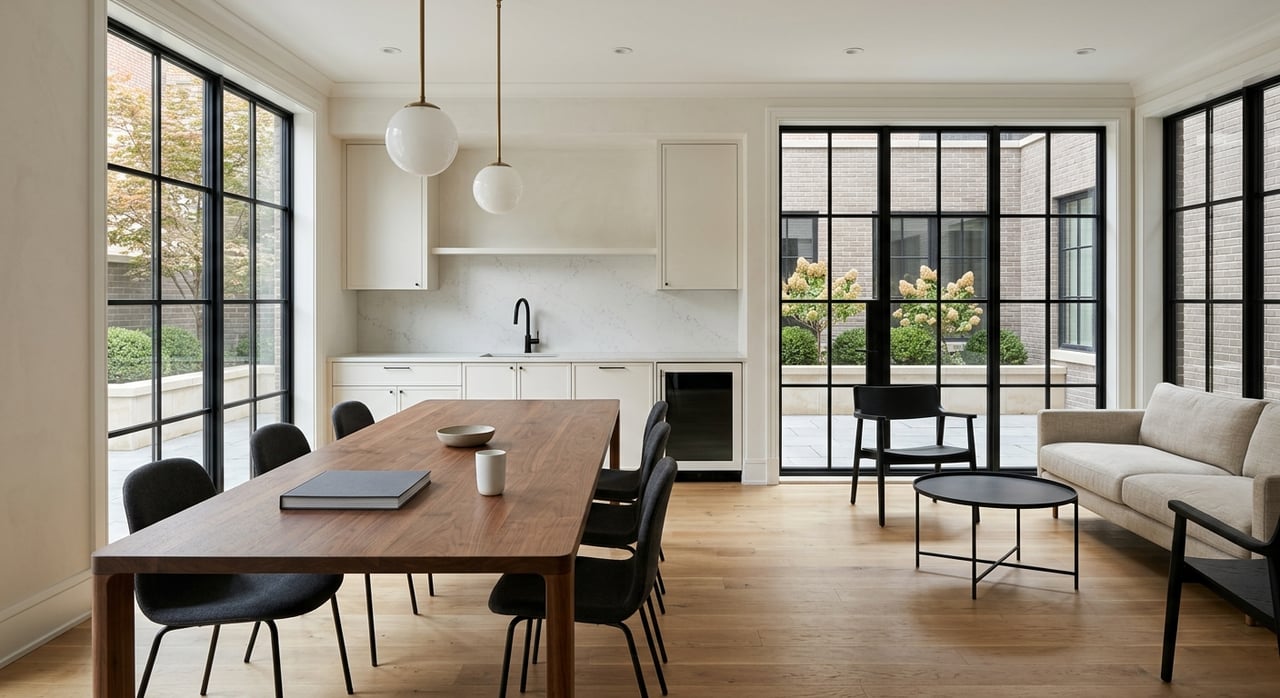
If you want a home that puts restaurants, arts venues, daily errands, and transit within easy reach, Center City deserves a close look. For many buyers, condo living here is less about a postcard skyline and more about making everyday life simpler, more connected, and more flexible. This guide will show you what Center City condo living actually feels like, what kinds of homes you may find, and how it compares with nearby alternatives like Chestnut Hill and the Main Line. Let’s dive in.
Why Center City Stands Out
Center City is Philadelphia’s walkable downtown, with City Hall at its center and boundaries that stretch from Spring Garden Street to South Street, and from the Delaware River to the Schuylkill River. Within that footprint, you get a concentrated mix of dining, shopping, green space, nightlife, and cultural destinations.
That density is a big part of the appeal. According to the Center City District’s 2026 State of Center City report, Greater Center City supports 309,000 jobs, is home to 210,710 residents, and sees more than 343,000 pedestrians on an average day. If you want to live where work, entertainment, and day-to-day convenience overlap, that kind of activity matters.
Transit access also shapes the experience. The same report notes that more than 3.3 million regional residents live within a one-seat transit ride of Center City, and Core Center City residents average a 24.4-minute commute. For you, that can mean less time spent coordinating every trip around a car and more time enjoying the neighborhood around you.
What Condo Living Looks Like
Center City offers more than one version of urban living. The housing stock includes high-rise, mid-rise, and rowhouse options, with both rental and ownership opportunities across the district. That variety gives buyers a wider set of choices than many people expect.
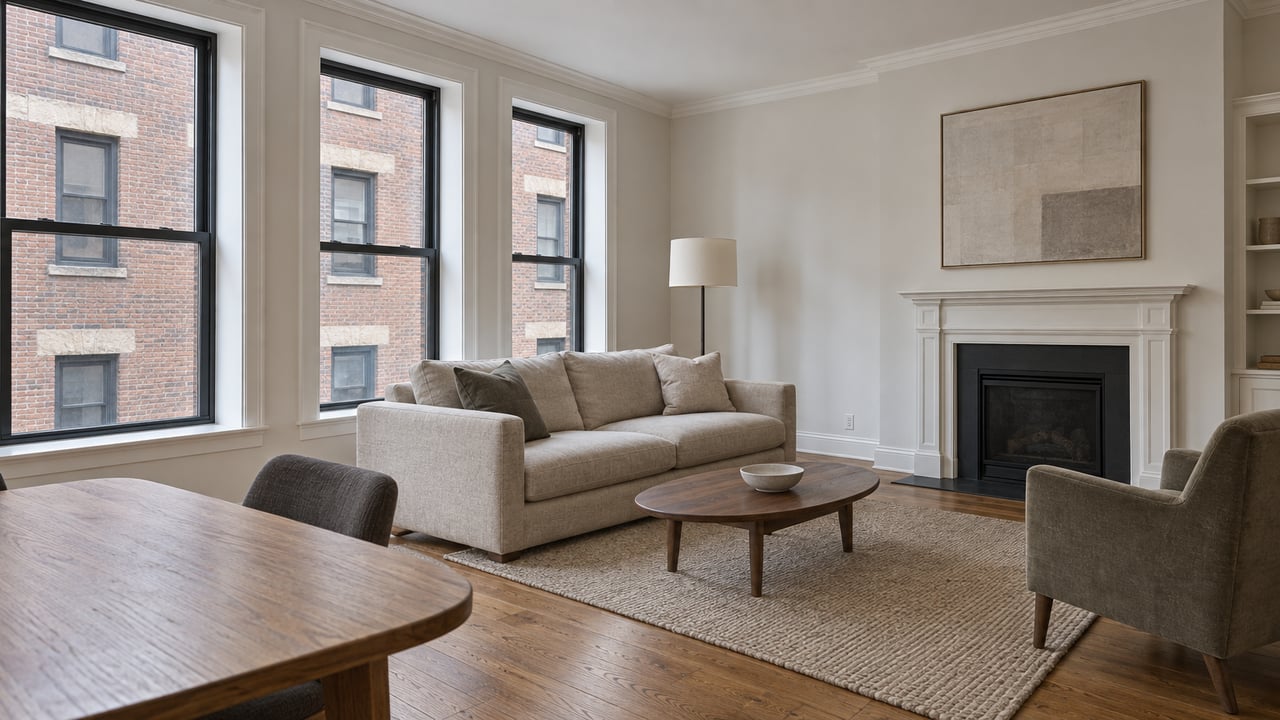
If you are picturing a typical Center City condo, you will likely encounter layouts that range from studios to three-bedroom residences, with many buildings leaning heavily toward one-bedroom and two-bedroom homes. That unit mix can work well whether you want a streamlined pied-à-terre, a full-time residence, or a lower-maintenance next chapter.
The neighborhood is also still growing. The Center City District’s 2025 housing report says the district accounted for 44% of Philadelphia housing completions in 2024 while covering less than 6% of the city’s land area. Its 2026 development release adds that 21 major projects were completed in 2025, with 8,240 residential units completed or underway in an active pipeline valued at $2.14 billion.
Amenities Matter Here
In Center City, buildings often compete on lifestyle as much as square footage. The Center City District’s 2019 housing report found that the six largest apartment buildings completed in 2018 all advertised fitness areas, and most also offered media or TV rooms, game rooms, communal kitchens, roof decks or terraces with grilling areas, pet-friendly features, bike parking, coworking or business centers, and package receiving.
That matters because condo buyers often want more than a well-located unit. You may also be looking for convenience, flexibility, and spaces that support how you actually live. In many Center City buildings, shared amenities are part of the value equation.
For buyers comparing options, it helps to think beyond the floor plan. A building with strong package handling, bike storage, and a fitness center may fit your routine far better than one with a slightly larger unit but fewer practical features. The best choice is often the one that supports your day-to-day life with the least friction.
The Everyday Lifestyle
The biggest draw of Center City condo living is often how seamlessly your routines can come together. You can step out for coffee, walk to dinner, pick up a few essentials, and meet friends for a show or event without turning every plan into a major outing.
Visit Philadelphia describes Center City as the city’s culinary, arts, and culture hub, and highlights places like Rittenhouse Square for fine dining and shopping. The Center City District adds that Philadelphia’s dining scene includes Michelin stars and recognition from The New York Times, Bon Appetit, and James Beard, while the region’s cultural institutions are second only to New York City in concentration.
The retail and nightlife picture adds another layer. The Center City District reports that retail occupancy reached 84% in 2025 and that the nighttime economy included 543 nightlife destinations. For you, that can translate into real variety, whether your ideal evening is casual, social, or centered on the arts.
A Car-Light Way to Live
One of the clearest advantages of Center City is how well it supports a car-light lifestyle. The Center City District’s housing survey found that a majority of respondents do not own cars, and 44% came from outside the region. That says a lot about how accessible and practical this area feels to people who want city living that works day in and day out.
For many buyers, this creates a sense of freedom. You may not need to plan around parking, long drives, or a long list of household maintenance tasks that often come with larger properties. While every buyer’s routine is different, Center City can support a more flexible, lower-maintenance rhythm.
This is part of why condo living here often appeals to professionals, downsizers, and buyers seeking a lock-and-leave feel. The combination of walkability, transit access, building amenities, and nearby services can make daily life feel more streamlined.
Why Buyers Choose Center City
Buyers are often drawn to Center City because it offers convenience in one compact footprint. Instead of choosing between access to work, dining, arts, retail, and transportation, you can have all of those pieces close together.
The area also offers residential momentum. A growing population, new development activity, and continued housing completions suggest that Center City remains one of Philadelphia’s most active places to live. That can be reassuring if you want a neighborhood with energy, investment, and a strong sense of movement.
Just as important, Center City offers choice. Some buyers want a full-service high-rise feel, while others prefer a smaller mid-rise or an ownership option with a more tucked-away residential character. The district’s range is one reason it continues to attract a wide mix of buyers.
Center City vs. Chestnut Hill
If you are deciding between Center City and Chestnut Hill, the biggest difference is pace. Center City is dense, active, and downtown in feel, with daily life shaped by a tight street grid and a broad mix of uses close together.
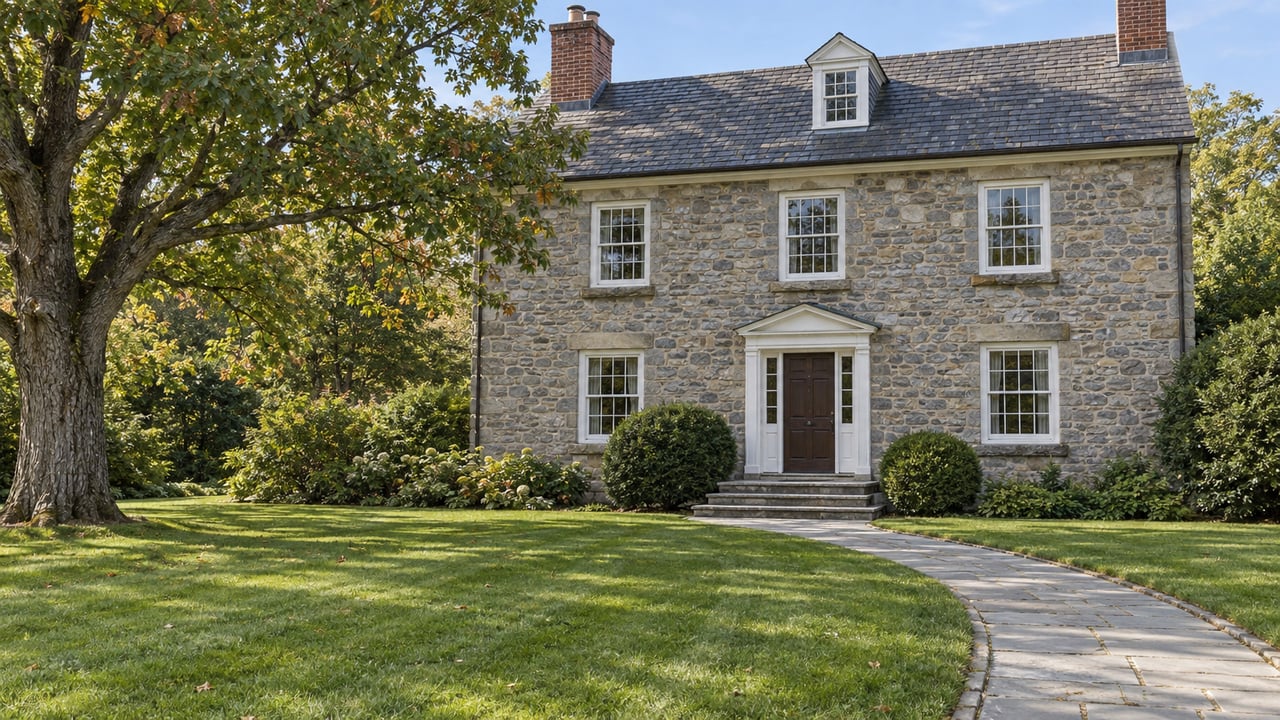
Chestnut Hill offers a different rhythm. The Chestnut Hill Business District describes it as Philadelphia’s Garden District, known for historic charm, cobblestone streets, lush landscapes, walkable local shops and restaurants, and nearby nature destinations. SEPTA’s Chestnut Hill East and West Regional Rail lines also connect the neighborhood to the city.
For you, the choice may come down to lifestyle. If you want the most condensed walk-to-everything environment, Center City is the stronger fit. If you prefer a village-like setting with greenery, a neighborhood business district, and a calmer day-to-day feel, Chestnut Hill may be more your speed.
Center City vs. the Main Line
The Main Line offers yet another living pattern. According to Lower Merion Township’s comprehensive plan, the historic Main Line helped shape a compact, pedestrian-scaled suburban landscape and commuter-suburb pattern. In practical terms, that means daily life is often organized around town centers, residential streets, and regional rail access rather than a downtown core.
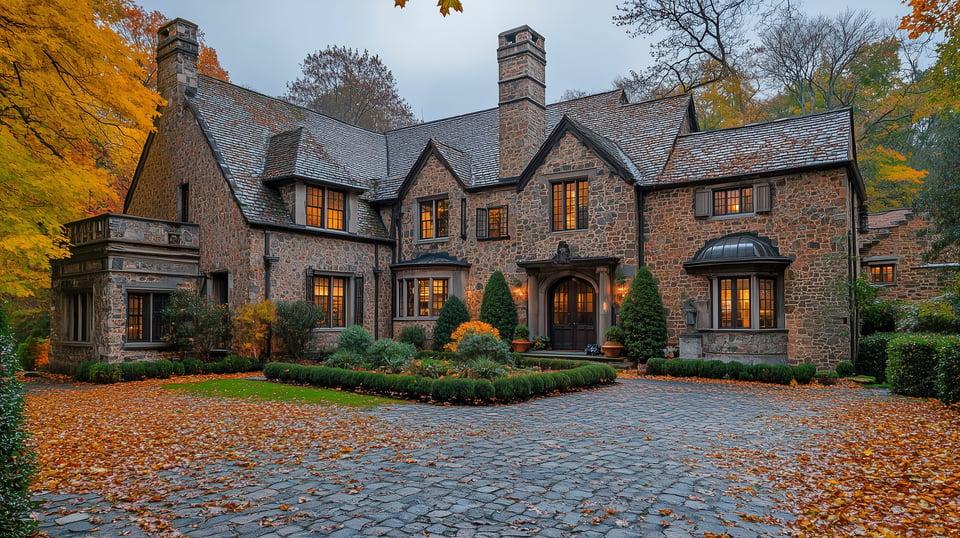
Compared with Center City, the Main Line generally feels more spacious and suburban. You may find a different balance there, with more physical space and a less concentrated urban environment. That can appeal to buyers who want rail access to the city without living in the middle of it.
Center City, by contrast, is the most mixed-use and condensed of the three. If your priority is immediate access to dining, culture, employment centers, and errands on foot, it offers a distinctly different experience from the Main Line.
Is Center City Right for You?
Center City condo living can be a smart fit if you want your home to simplify your routine rather than add to it. It tends to work especially well for buyers who value walkability, transit, flexible floor plans, and buildings with amenities that support modern daily life.
It can also be a strong option if you are comparing a city residence with a larger suburban property and realizing that convenience matters more than extra upkeep. For many buyers, the real luxury is not just a beautiful unit. It is being able to step outside and have so much of your life already within reach.
If you are weighing Center City against Chestnut Hill or the Main Line, the best next step is to compare not only home styles, but also how each setting supports the way you want to live. For tailored guidance on Center City residences and other Philadelphia-area options, connect with Michael Sivel.
FAQs
What is Center City condo living like in Philadelphia?
- Center City condo living is defined by walkability, strong transit access, nearby dining and cultural destinations, and a mix of high-rise, mid-rise, and other ownership options.
What types of condos can you find in Center City?
- Buyers will often see studio, one-bedroom, two-bedroom, and some three-bedroom layouts, along with a range of building styles and amenity packages.
Why do buyers choose Center City over other Philadelphia neighborhoods?
- Many buyers choose Center City for its compact mix of jobs, restaurants, arts venues, retail, nightlife, and transit, all within a highly walkable downtown setting.
How does Center City compare with Chestnut Hill?
- Center City offers a denser downtown lifestyle, while Chestnut Hill offers a more village-like setting with historic character, local shopping, and nearby nature.
How does Center City compare with the Main Line?
- Center City is more urban and condensed, while the Main Line is more suburban and rail-oriented, with daily life often centered around town cores and residential neighborhoods.
Is Center City a growing residential area?
- Yes. The Center City District reports a growing population, 21 major projects completed in 2025, and 8,240 residential units completed or underway in the active pipeline.