Looking for the right fit in Center City can feel surprisingly tricky. Two homes may be only a few blocks apart, yet the streetscape, pace, and daily experience can feel completely different. If you are trying to find the part of downtown Philadelphia that matches your style, this guide will help you compare four distinct micro-neighborhoods and narrow in on what suits you best. Let’s dive in.
Why micro-neighborhoods matter
Center City is Philadelphia’s dense downtown core, but it is not one uniform experience. Because Philadelphia is a rowhouse city, small changes in block pattern, building height, and land use can create very different neighborhood rhythms within a short walk.
That is especially true when you compare Rittenhouse Square, Washington Square West, Old City, and the Delaware River waterfront corridor. Each offers a distinct mix of architecture, walkability, public space, and street life, which can shape how your day-to-day routine feels.
Rittenhouse Square: polished and park-centered
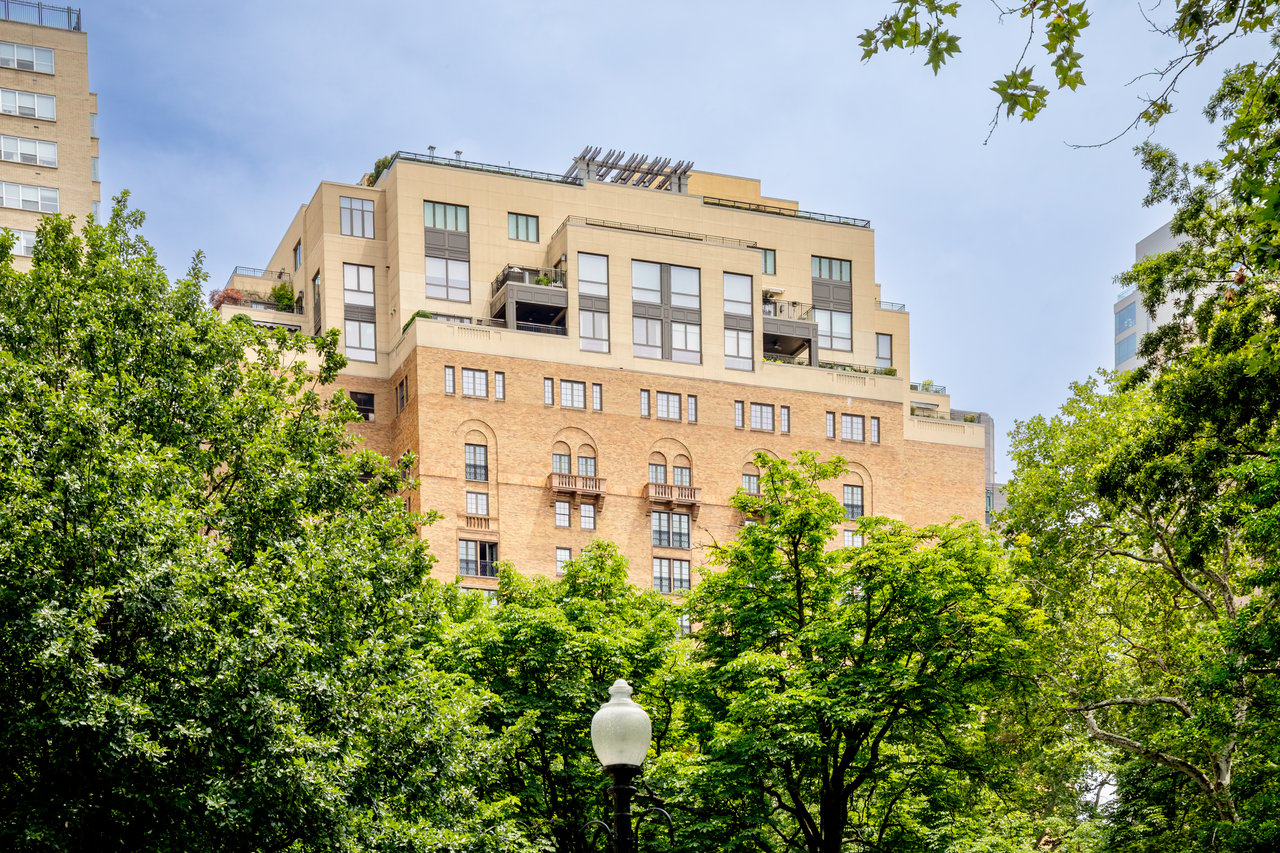
If you picture a refined, high-energy Center City lifestyle, Rittenhouse Square is often the first place that comes to mind. The neighborhood is organized around one of William Penn’s original squares, with a one-square-block park that gives the area a strong visual and social center.
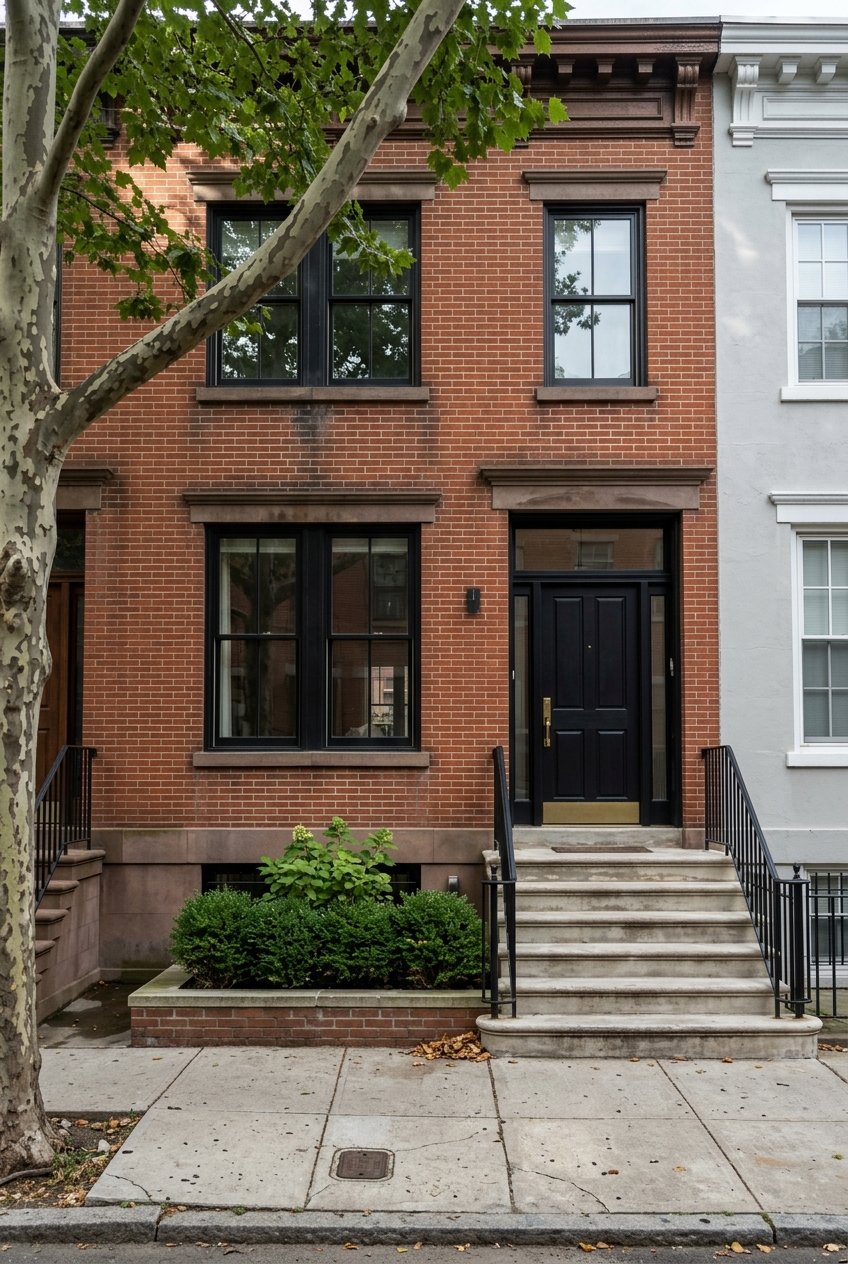
The housing feel is layered. You will find high-rise residences and luxury apartments alongside historic side streets, including Tudor-style townhouses on Saint James Place and Civil War-era brownstones on Delancey Street.
The commercial experience is also a big part of the appeal. Walnut and Chestnut streets are known for upscale restaurants, coffee shops, alfresco dining, and luxury retail, which helps give the neighborhood its polished, active atmosphere.
Visit Philadelphia notes that the area sees roughly 10,000 daily visitors. That steady foot traffic contributes to a stylish, busy rhythm that feels lively year-round rather than quiet or tucked away.
Who Rittenhouse often fits
Rittenhouse Square may feel right if you want:
- A park-centered setting
- A polished urban atmosphere
- Luxury residences and historic streetscapes
- Strong dining and shopping close by
- A pedestrian-friendly daily routine
Metered street parking can be limited, so this area tends to appeal most to buyers who value walkability and easy access to neighborhood amenities over driving convenience.
Washington Square West: compact and village-like
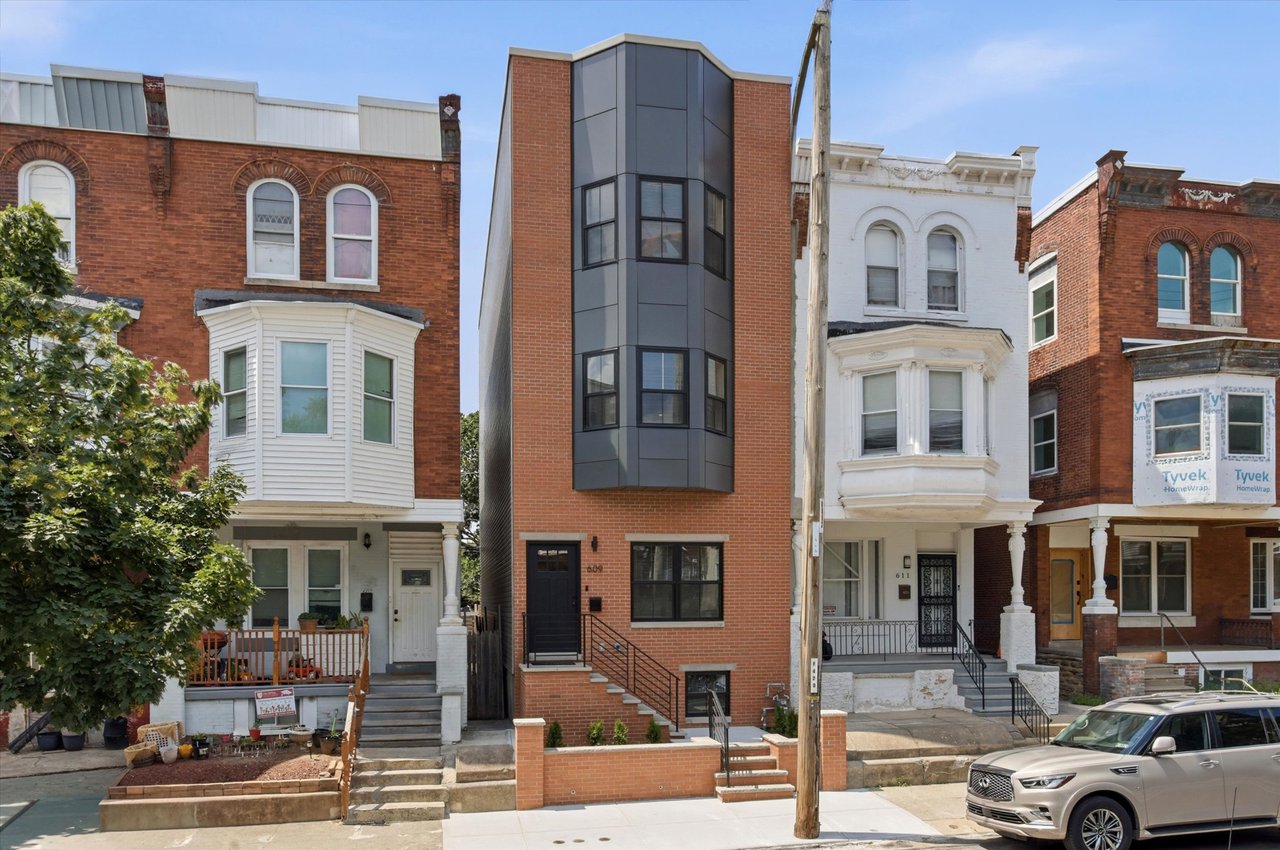
Washington Square West offers a different version of Center City living. The neighborhood feels compact and layered, with a rowhouse-dense streetscape that can read more like a mixed-use village than a traditional downtown district.
According to the 2024 historic district nomination, the area spans about 26 blocks and roughly one-half square mile. Most buildings are two to four stories, with Federal and Greek Revival architecture dominating many blocks, while taller commercial and apartment buildings cluster at the edges.
Its identity is also varied. Visit Philadelphia describes it as three neighborhoods in one: Washington Square West, Midtown Village, and the Gayborhood, with the 13th Street corridor driving much of the small-business energy and Broad Street tying the area to the Avenue of the Arts.
Washington Square itself adds 6.4 acres of open space, which helps balance the neighborhood’s density. The overall effect is a setting that feels active and central, yet often calmer than the busiest commercial pockets nearby.
What stands out in Washington Square West
This micro-neighborhood can be a strong match if you are drawn to:
- Dense rowhouse blocks
- A compact, mixed-use environment
- Restaurants and small-business energy
- Theater and civic activity nearby
- A village-like feel in the middle of Center City
For many buyers, this area offers a middle ground. It feels urban and connected, but it can also feel more intimate than some of the city’s larger commercial corridors.
Old City: historic and highly walkable
Old City delivers one of the most recognizable neighborhood identities in Philadelphia. Centered around 5th and Arch streets, it forms the heart of the city’s Historic District and offers a built environment that reflects virtually all of Philadelphia’s 300 years of history.
That historic texture shows up in many forms. The neighborhood ranges from the small-scale character of Elfreth’s Alley to 19th-century industrial buildings and the waterfront edge, creating a streetscape with a lot of visual variety.
Old City also blends history with a strong arts and dining scene. Visit Philadelphia highlights destination restaurants, First Friday gallery nights, galleries such as Pentimenti and Arch Enemy Arts, and performance spaces including Arden Theatre Company and FringeArts.
Its walkability is one of the biggest everyday advantages. Attractions are tightly clustered, and transit access includes SEPTA buses, the L line, PATCO’s Franklin Square station, and PHLASH, which means daily life here often centers more on walking and short trips than on driving.
Why buyers gravitate to Old City
Old City may be the right fit if you want:
- Strong historic character
- Excellent walkability
- Gallery and arts access
- Destination dining nearby
- A neighborhood where blocks feel active and layered
If your ideal city routine includes wandering, dining, and moving easily between cultural destinations, Old City offers that experience in a very concentrated format.
Waterfront corridor: open-air and evolving
The Delaware River waterfront has a different feel from the other three areas because it works more like a corridor than a traditional neighborhood. Its main attractions stretch between Vine Street and Washington Avenue, and its identity is shaped heavily by public space, views, and seasonal programming.
Visit Philadelphia reports that the area draws more than 2 million visitors annually. Penn’s Landing is also in the middle of a major transformation that aims to create a new park over I-95 and strengthen the connection between Old City and the river.
This is a part of Center City where the public realm plays a leading role. Spruce Street Harbor Park, RiverRink Summerfest and Winterfest, Cherry Street Pier, Race Street Pier, Penn Treaty Park, Liberty Point, Morgan’s Pier, and the Moshulu all contribute to a view-oriented, event-driven atmosphere.
Mobility is improving as well. The Delaware River Trail currently runs 3.3 miles from Pier 70 in South Philadelphia to Penn Treaty Park in Fishtown, helping connect walkers, cyclists, nearby businesses, and residences.
The waterfront lifestyle at a glance
The waterfront corridor may fit you best if you are looking for:
- River views
- Parks and outdoor programming
- Seasonal energy and events
- Trail access for walking or cycling
- A district that is still evolving
Access is available by SEPTA’s L line, buses, and the seasonal PHLASH shuttle, though parking can be limited in some areas. For buyers who value outdoor amenities and an active public realm, that tradeoff may be well worth it.
How to choose your urban style
When buyers start comparing Center City micro-neighborhoods, the best choice often comes down to your daily habits. The right fit is not only about square footage or finishes. It is also about how you want your mornings, evenings, and weekends to feel.
Here is a simple way to think about the four areas:
- Rittenhouse Square if you want a polished, upscale, park-centered experience
- Washington Square West if you want a compact, mixed-use setting with village-like character
- Old City if you want history, walkability, galleries, and destination dining
- Waterfront corridor if you want riverfront amenities, public space, and an area that is actively evolving
If you are deciding between two neighborhoods, it can help to compare them block by block rather than relying on broad labels. In Center City, a short walk can change the feel of the street in a meaningful way.
What to notice during your search
As you tour homes or buildings, pay attention to the details that shape everyday life. Architecture matters, but so do noise levels, foot traffic, access to green space, and how easy it feels to move through the area on foot.
A few practical things to notice include:
- Building scale from block to block
- The mix of residential and commercial uses nearby
- Park access and public gathering spaces
- Transit options and walking routes
- Parking realities if you drive regularly
- Whether the area feels steady, quiet, lively, or event-driven
Those details can help you move from “I like this neighborhood” to “I can picture my life here.” That is often the clearest sign you are narrowing in on the right urban style.
Center City offers rare variety in a relatively compact footprint. Whether you are drawn to Rittenhouse’s refinement, Washington Square West’s village feel, Old City’s historic texture, or the waterfront’s open-air energy, the best move is to match the neighborhood to the way you actually want to live. If you want expert guidance on finding the right fit in Center City, connect with Michael Sivel.
FAQs
What is a micro-neighborhood in Center City Philadelphia?
- A micro-neighborhood is a small area within Center City that has its own distinct feel, often shaped by building style, block pattern, land use, public space, and street activity.
Which Center City neighborhood feels most upscale?
- Rittenhouse Square is the strongest match if you want a polished, park-centered, upscale Center City experience with luxury residences, dining, and shopping nearby.
Which Center City area feels the most village-like?
- Washington Square West is often the best fit for buyers who want a compact, mixed-use setting with dense rowhouse blocks and a village-like feel.
Which Center City neighborhood is best for history and walkability?
- Old City stands out for its historic character, tightly clustered attractions, gallery scene, and strong walkability.
What is the Delaware River waterfront like for everyday living?
- The waterfront corridor is defined by river views, parks, trails, and seasonal programming, with an atmosphere shaped more by public space and events than by a traditional neighborhood grid.
How should you compare Center City neighborhoods before buying?
- Focus on your daily routine, then compare each area’s pace, housing feel, walkability, green space, transit access, and street-level activity to see which one matches your lifestyle best.