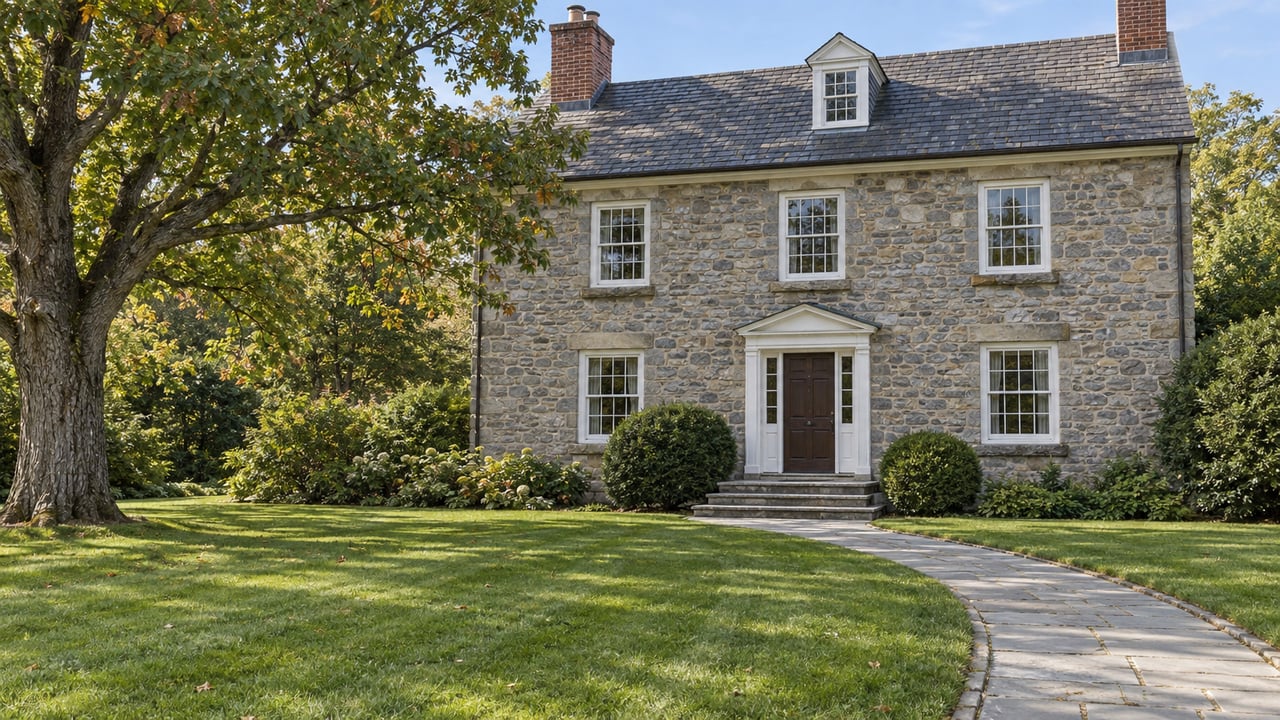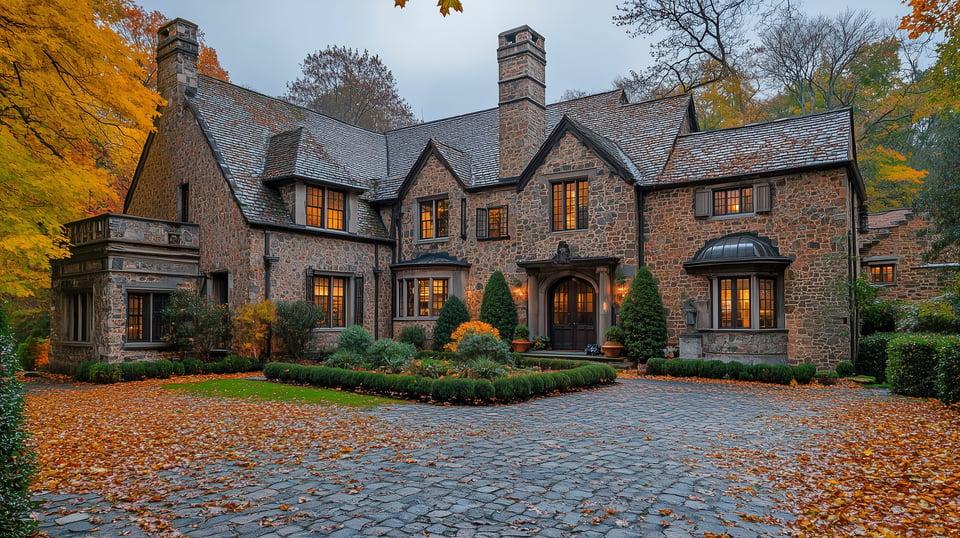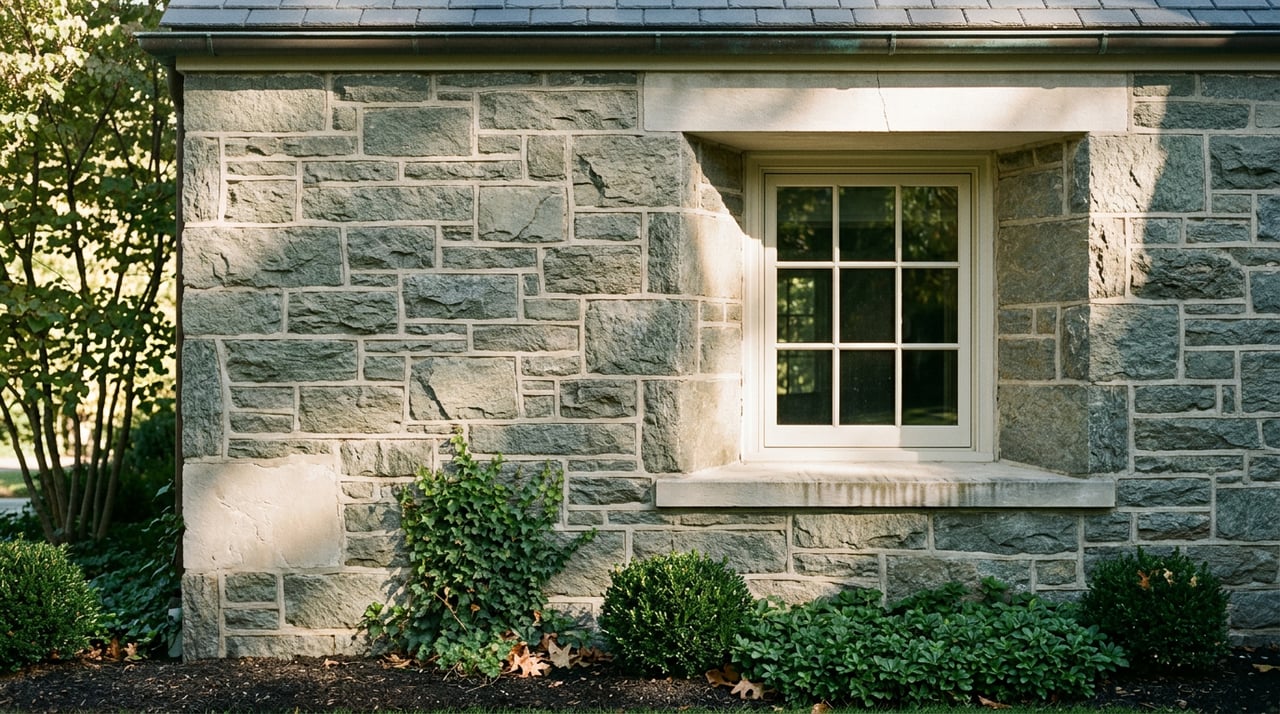
An inspection of an older stone-and-slate house in Chestnut Hill can uncover concealed wiring, failed foundation pointing, or a buried oil tank. These issues may not show up in listing photos and can appear in an inspection report after a home is under agreement.
That's the version of a Chestnut Hill sale most sellers brace for: an inspector who knows exactly what a century-old stone house tends to hide. Fewer sellers brace for the Philadelphia Historical Commission. In this neighborhood, a badly timed pre-listing repair, the kind meant to make a house look cared for, can itself become the defect a buyer's inspector flags six months later. Understanding both reviewers, and the order they tend to show up in, is the difference between a clean sale and a renegotiated one.
Two Reviewers, Not One
Chestnut Hill's historic district was added to the National Register of Historic Places in 1985, an honor covering nearly 2,000 buildings, according to the American Planning Association's review naming Chestnut Hill a Great Neighborhood in 2012. That listing documents why the neighborhood matters.
According to 4 All Seasons, most of the neighborhood falls under Historical Commission exterior review. According to the Commission's own site, staff approve more than 90 percent of building permit applications without referring them to a committee, so most routine projects clear faster than sellers assume. The ones that don't clear fast are usually the ones done first and asked about later.
A National Register listing tells you why a house matters.
The Repair That Becomes the Defect
Wissahickon schist, the gray-green stone quarried locally and used across Chestnut Hill's Victorian, Tudor Revival, and Colonial Revival houses from the 1870s through the 1940s, was never meant to be the hardest material in the wall. The mortar was. Peter Saylor, an architect and member of the Chestnut Hill Conservancy's Historic District Advisory Committee, has explained in the Chestnut Hill Local that historic mortar mixes were lime-based and deliberately softer than the surrounding stone, so moisture leaves through the joint instead of the schist itself. Portland cement, which entered common use around the turn of the twentieth century and is what many homeowners reach for at the hardware store today, is harder than the stone. It traps moisture instead of releasing it, and within a few seasons the schist face starts to spall.
That is the repair sellers get backward. A homeowner who repoints a cracked wall with standard cement mortar before listing hasn't fixed the wall. They've started a clock. One Philadelphia masonry contractor working in the neighborhood has priced full wall rebuilds, where earlier cement pointing trapped water and fractured the stone, at more than $40,000, with neglected chimney repairs running well above $15,000 before they're addressed. A buyer's inspector will eventually find the mismatched mortar methodically, and at the worst possible point in a transaction.
| Pre-listing repair | Where sellers go wrong |
|---|---|
| Repointing a schist wall | Using standard Portland cement instead of a lime-based mix |
| Replacing a window | Swapping original wood sash for vinyl |
| Slate roof patching | A replacement slate that doesn't match, visible from the street |
| Interior renovation | Rarely an issue, since interior work sits outside Commission jurisdiction |
The Ordinance Itself Is Moving
The rules a seller is working within aren't fixed points either. In November 2025, Philadelphia City Council introduced legislation that would have changed several parts of the city's historic preservation ordinance, according to the Chestnut Hill Local. Among the proposed changes at the time: a 30-plus-day gap between a property's nomination for historic designation and the start of Historical Commission protection, and a provision letting pending zoning applications and undefined policy factors outweigh a nomination that otherwise meets the criteria for historic status. The Chestnut Hill Conservancy asked Council to table the bill and allow more discussion before moving forward.
Whatever became of that particular bill, the episode is worth remembering. The ordinance a seller is relying on isn't frozen in place, and it's worth confirming current status directly with the Historical Commission rather than assuming last year's rules still apply to this year's sale.
Before You List
A few steps separate a stone home that sells cleanly from one that stalls in attorney review.
- Confirm your property's status directly with the Historical Commission before starting any exterior work. Contributing and non-contributing designations are treated differently, and staff can tell you which one applies to your address.
- Save every Certificate of Appropriateness, every Licenses & Inspections permit, and before-and-after photos of past exterior work. Buyers' attorneys ask for this paper trail, and a clean file moves a closing faster than a clean facade does.
- If a wall needs repointing before you list, hire a mason who works specifically in lime mortar, not just masonry generally. The wrong mix today is a line item on someone else's inspection report a few years from now.
- Order your own pre-listing inspection. The same era-specific issues a buyer's inspector will find, active knob-and-tube, aging flue liners, a forgotten oil tank, are easier and cheaper to resolve on your own timeline than on a buyer's contingency clock.
FAQ
What if exterior work was done years ago without approval? The Commission's exterior-review record and the city's Licenses & Inspections permit record are kept separately, and they don't always agree with each other. It's worth having both checked before you list, since a buyer's inspector or attorney can often spot where work was done without the right approval.
How long does Historical Commission review actually take? Routine, in-kind repairs that match the original material typically clear at the staff level. Larger projects, additions, new construction, anything that goes to a full Commission hearing, take longer and are worth starting early if your pre-listing plans go beyond a like-for-like repair.
A stone house in Chestnut Hill carries more paperwork than most listings, but it also carries more story, and buyers here pay attention to both. Getting the sequence right, disclosure first, repairs second, and always with the right materials, is what keeps that story from becoming a liability at the closing table.
If you're weighing a sale of a historic Chestnut Hill property, The Sivel Group has spent years walking these blocks and these paper trails alongside sellers. SELL SMARTER. BUY SMARTER. MOVE SMARTER.
This article is general information, not legal, tax or financial advice. Consult a qualified professional about your situation.