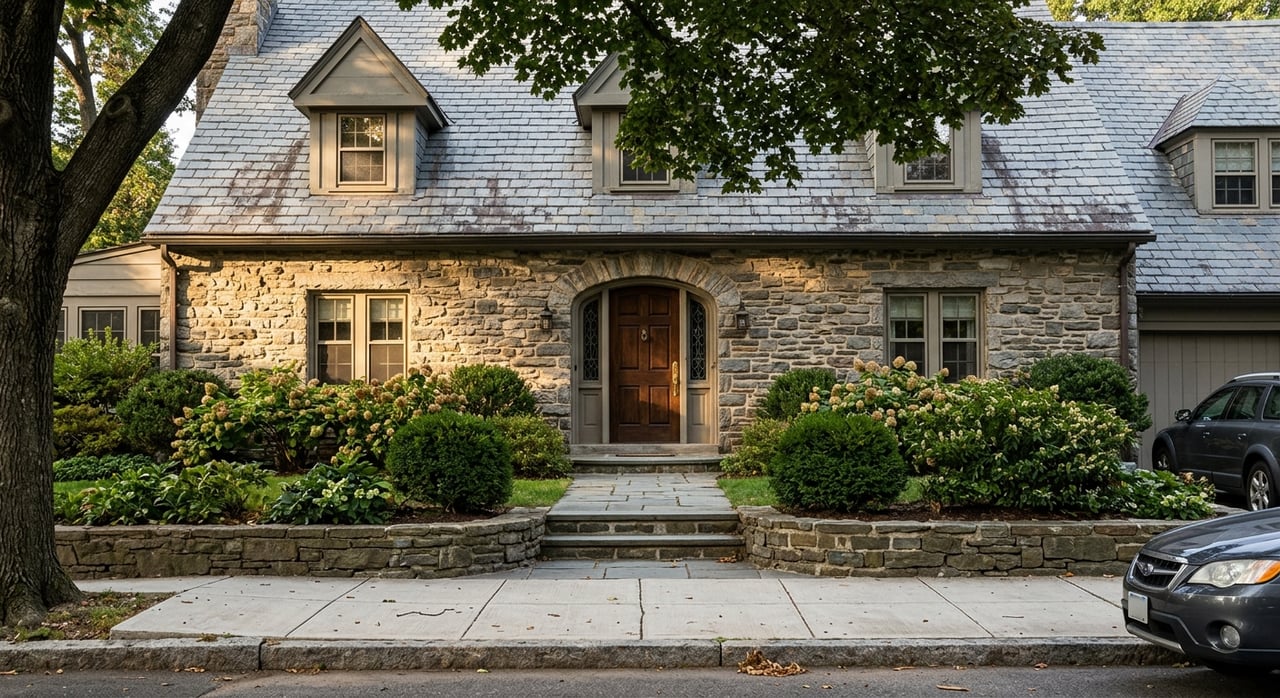
If you want a Philadelphia neighborhood that feels both connected and tucked away, Chestnut Hill stands out fast. You may be looking for walkability, historic homes, green space, or an easier way to balance city access with a quieter daily rhythm. The good news is that Chestnut Hill offers a rare mix of village-like charm, preserved architecture, and practical transit options. Let’s take a closer look at what it’s like to live here.
Chestnut Hill at a glance
Chestnut Hill sits in Northwest Philadelphia, but it does not feel like a typical city neighborhood. According to SEPTA’s Chestnut Hill destination guide, the area is about 25 minutes from Center City and is known for its picturesque historic setting, cobblestone streets, shops, galleries, and restaurants along Germantown Avenue.
That combination gives the neighborhood a distinct identity. You get an established, residential setting with a strong sense of place, while still staying connected to the rest of Philadelphia.
Daily life on Germantown Avenue
Germantown Avenue is the heart of everyday life in Chestnut Hill. The Chestnut Hill Business District describes it as a corridor with more than 200 local businesses, including independently owned boutiques, cafés, galleries, and restaurants.
For many residents, that means errands, coffee stops, dinner plans, and weekend browsing can happen close to home. Instead of relying on a large commercial strip or big-box retail, the neighborhood centers around a main street experience that feels local and active.
Local events shape the rhythm
Chestnut Hill also has a year-round calendar that adds energy without making the neighborhood feel overly busy. The business district hosts a Saturday farmers market along with recurring events like Arts & Eats and the Home + Garden Festival.
These events help create a steady community rhythm. If you value a neighborhood where public life extends beyond shopping and into shared local experiences, that is a meaningful part of the appeal.
Historic homes and preserved character
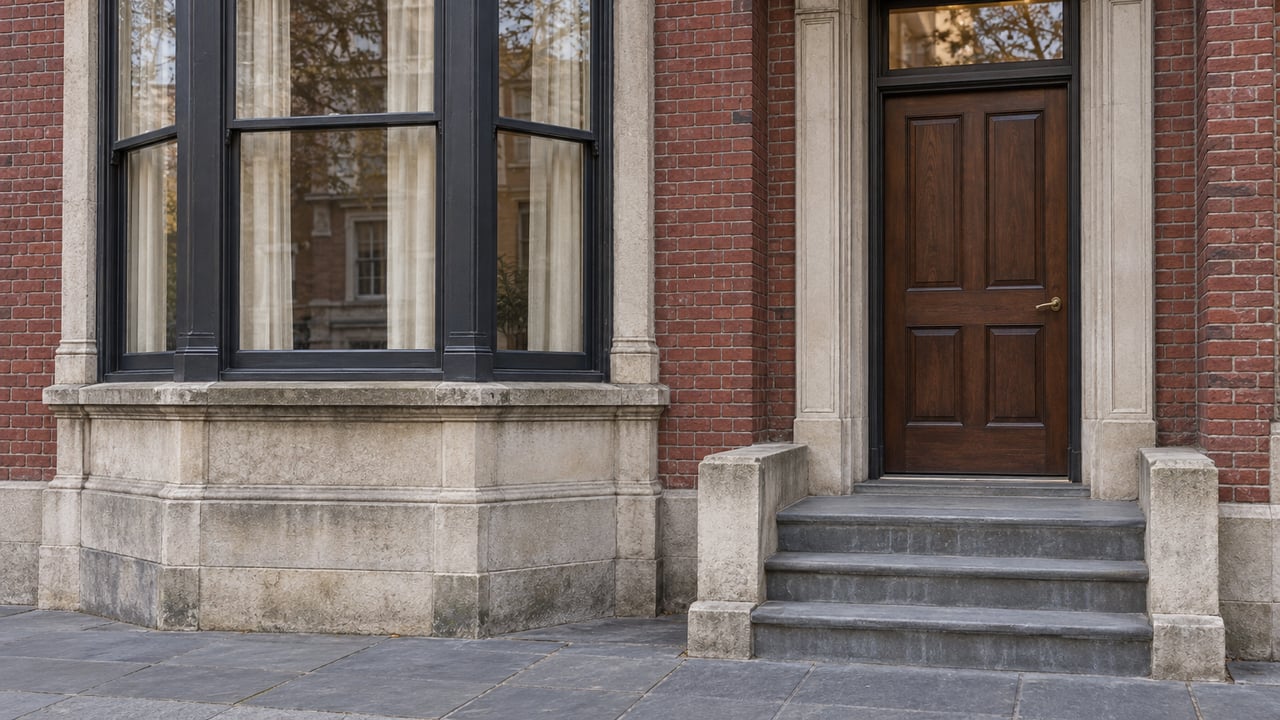
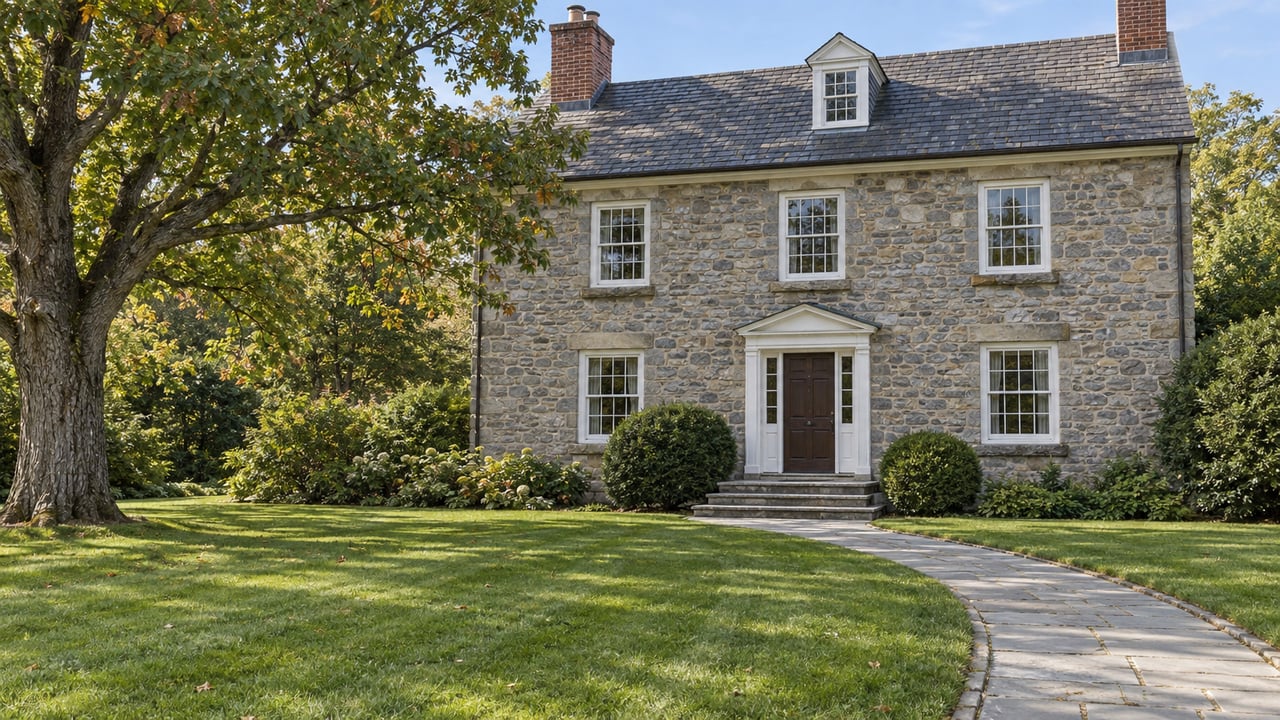
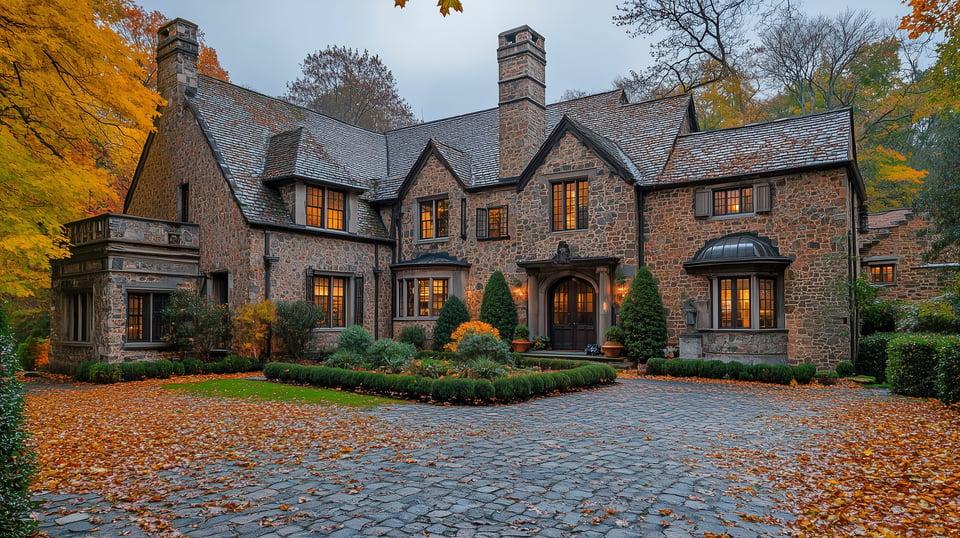
One of the biggest draws of Chestnut Hill is its architecture. Much of the neighborhood sits within the Chestnut Hill Historic District, which was listed on the National Register of Historic Places in 1985 and includes more than 2,600 buildings dating from 1744 to the present.
You will see a wide range of home styles, including historic mansions, Victorian homes, and properties built with native stone such as Wissahickon schist. The result is a streetscape that feels visually rich and unusually consistent.
Preservation is part of the neighborhood identity
Chestnut Hill’s look is not accidental. The Chestnut Hill Conservancy notes that preservation efforts include conservation and preservation easements covering more than 105 acres of open space and 20 historic buildings, plus review of projects that may affect the district’s character.
For you as a buyer or homeowner, that can translate into a neighborhood with a strong visual identity and long-term stewardship. If architectural character matters to you, Chestnut Hill offers a level of continuity that is hard to replicate.
Green space is part of everyday living
Chestnut Hill is especially appealing if you want easy access to the outdoors. The neighborhood borders the Wissahickon watershed, where residents can enjoy creek-side woods, trails, hiking, biking, and walks close to home, according to Philadelphia Water’s Wissahickon watershed overview.
That access shapes daily life in a real way. You can move from a residential street to wooded trails and open space without leaving the city.
Wissahickon Valley Park adds flexibility
Philadelphia Parks & Recreation notes that the renovated trail bridges in Wissahickon Valley Park connect Northwest Philadelphia and Center City and are used by both commuters and recreational cyclists, as shared on the Wissahickon watershed page.
That makes the park more than just a scenic backdrop. It supports recreation, movement, and a more outdoor-oriented lifestyle for people who want nature to be part of their weekly routine.
Pastorius Park is a local favorite
Another important green space is Pastorius Park. The Chestnut Hill Community Association, cited in local preservation materials, describes it as a 16-acre park with a pond, stone warming hut, and amphitheater, and it hosts the longest-running free outdoor concert series in Philadelphia.
This is the kind of amenity that gives a neighborhood texture. It is not just about having a park nearby. It is about having a place that regularly brings people together in a low-key, local way.
Culture feels built in
Chestnut Hill is not only residential and scenic. It also has a strong cultural layer that adds depth to day-to-day living.
The Chestnut Hill Conservancy contributes through public archives, lectures, tours, and its Night of Lights streetscape exhibition on Germantown Avenue. These programs reflect how strongly the neighborhood values both history and public life.
Woodmere adds an arts anchor
The Woodmere Art Museum is another key part of the neighborhood. The museum focuses on the art and artists of Philadelphia, its grounds are open daily from dawn to dusk, and it expanded its exhibition and education space with the opening of Frances M. Maguire Hall in November 2025.
If you enjoy living somewhere with museums, events, and a visible creative community, Chestnut Hill offers more than a purely residential experience. It feels culturally engaged without losing its neighborhood scale.
Commuting and getting around
For many buyers, lifestyle only works if logistics work too. Chestnut Hill benefits from multiple transit options, which helps support both commuting and day-to-day mobility.
According to SEPTA, the neighborhood is served by both Chestnut Hill West and Chestnut Hill East Regional Rail, as well as bus routes 23, 77, 94, 134, and L. SEPTA also frames the commute to Center City at about 25 minutes.
A current transit note
If you plan to use Regional Rail regularly, there is one practical update to know. SEPTA reports that Chestnut Hill East Station has been under reconstruction since January 2025, with accessibility and platform upgrades expected to continue through summer or fall 2026.
That does not remove rail access from the neighborhood, but it may affect your routine depending on where you live and which line you prefer. It is a good example of why hyper-local guidance can matter when you are choosing the right block or transit setup.
Who Chestnut Hill tends to suit
Chestnut Hill often appeals to buyers who want a very specific mix of features. Based on the neighborhood’s historic district, green space access, transit options, and community programming, it can be a strong fit if you are looking for:
- Historic architecture and established streetscapes
- A walkable main street with local businesses
- Easy access to trails, parks, and outdoor recreation
- Cultural amenities woven into daily life
- A residential setting with practical access to Center City
The neighborhood is often described as blending lively commerce with quiet, tree- and garden-filled streets. That balance is a big reason Chestnut Hill continues to stand out within Philadelphia.
What living here really feels like
In practical terms, living in Chestnut Hill often means your week has variety. You might grab coffee or browse shops on Germantown Avenue, spend time on the trails in the Wissahickon, catch a concert in Pastorius Park, or stop by Woodmere.
At the same time, the neighborhood’s historic preservation gives the area a sense of continuity that many buyers find reassuring. It feels curated, but still lived-in. Active, but not overwhelming.
If you are considering a move to Chestnut Hill, the biggest question is usually not whether the neighborhood has character. It clearly does. The better question is whether its mix of historic homes, outdoor access, and village-style commercial life matches the way you want to live.
If you are ready to explore Chestnut Hill with a team that knows its blocks, architecture, and market nuances, connect with Michael Sivel. SELL SMARTER. BUY SMARTER. MOVE SMARTER.
FAQs
What is the overall feel of living in Chestnut Hill?
- Chestnut Hill feels village-like, historic, and green, with a strong main street centered on Germantown Avenue and convenient access to Center City.
What is shopping and dining like in Chestnut Hill?
- The neighborhood’s business district includes more than 200 local businesses, with independently owned boutiques, cafés, galleries, restaurants, and a year-round Saturday farmers market.
What kinds of homes are common in Chestnut Hill?
- Chestnut Hill is known for historic mansions, Victorian homes, and other architecturally distinctive properties, many within the Chestnut Hill Historic District.
What outdoor spaces are near Chestnut Hill?
- Residents have access to the Wissahickon watershed and Wissahickon Valley Park trails, along with local green spaces like Pastorius Park.
How do you commute from Chestnut Hill to Center City Philadelphia?
- SEPTA says Chestnut Hill is about 25 minutes from Center City and offers both Chestnut Hill West and Chestnut Hill East Regional Rail service, plus several bus routes.
What cultural attractions are in Chestnut Hill?
- Chestnut Hill offers cultural amenities through the Chestnut Hill Conservancy and the Woodmere Art Museum, along with seasonal events and public programming throughout the year.